Browse EHS guidance by job / end use.
Choose a job to open its full hazard map — every core hazard matched to the controls that actually lower the injury rate, and cited to the standard behind it. 30 jobs across 5 families, with more on the way.
Material handling
4 jobs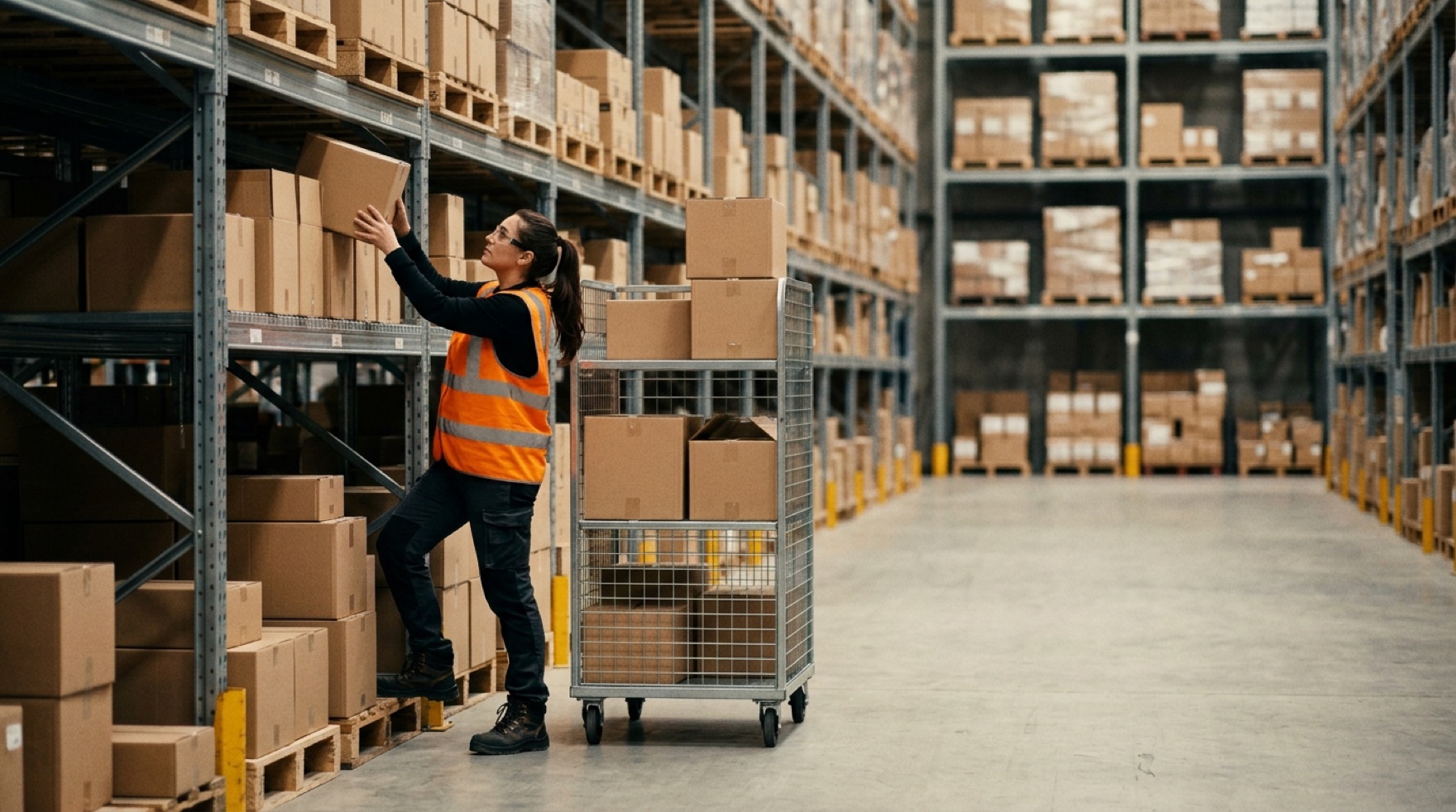 3 articles
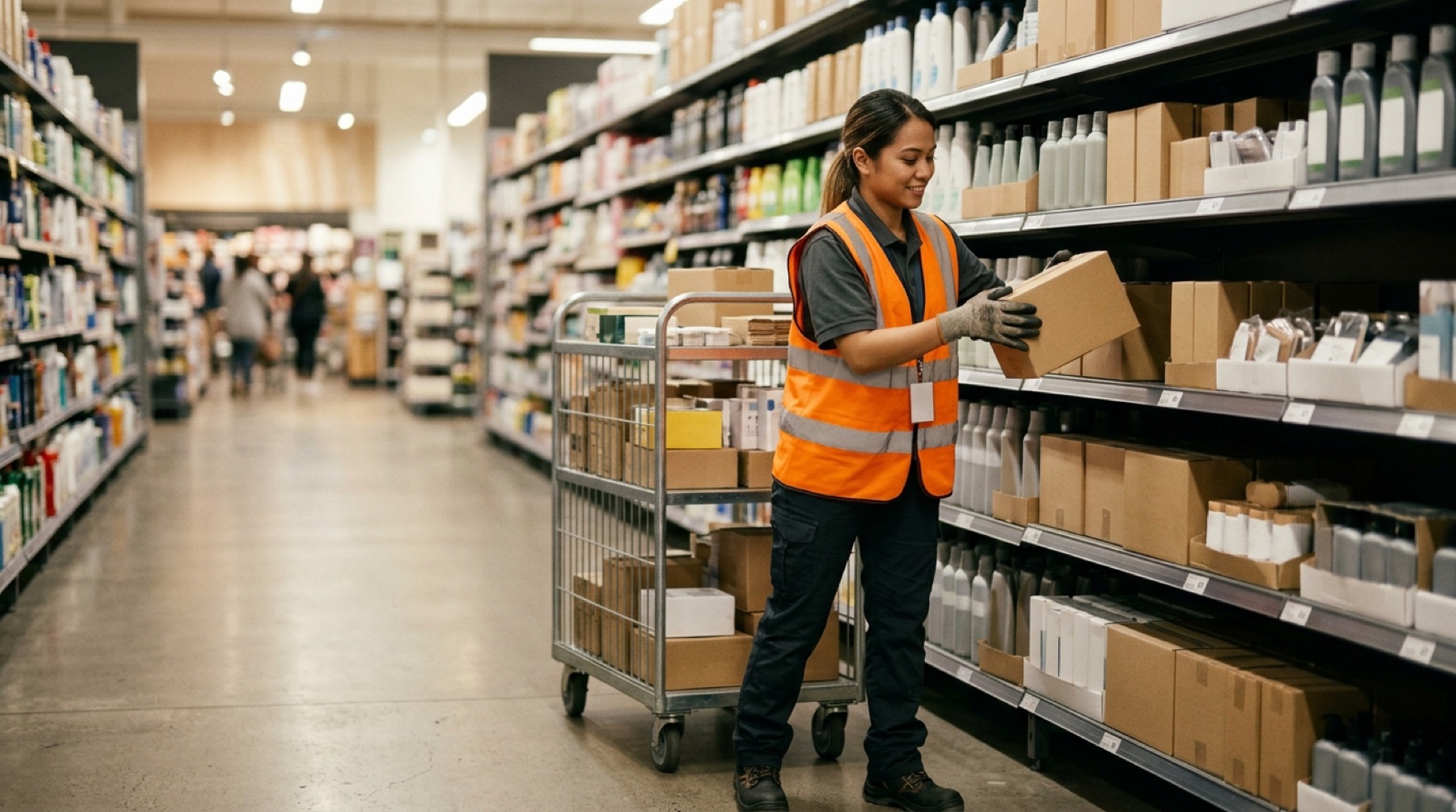
Order Picking & Stocking
Every shift is thousands of reaches, lifts, and steps down the pick path.
Warehouse and stockroom safety for pickers and stockers, where repetitive lifting at the pick face, forklift traffic in the aisle, and cluttered walking surfaces drive the injury log.
 5 articles
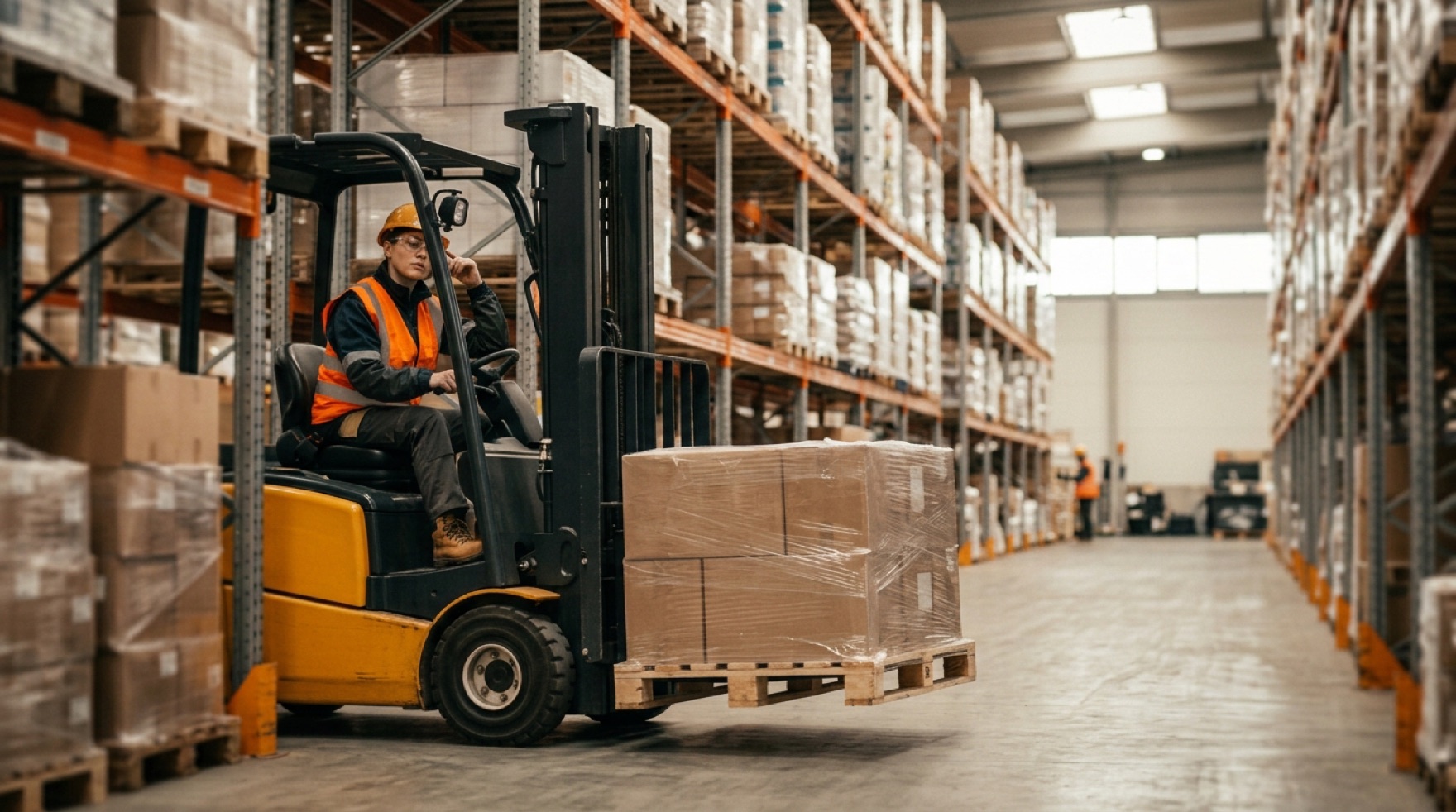
Forklift Operation
A counterbalanced truck is a fast, heavy machine that shares the floor with people.
Powered industrial truck safety for forklift and reach-truck operators, covering pedestrian struck-by, tip-over, falling loads, and the carbon monoxide and battery hazards of the trucks themselves.
 4 articles
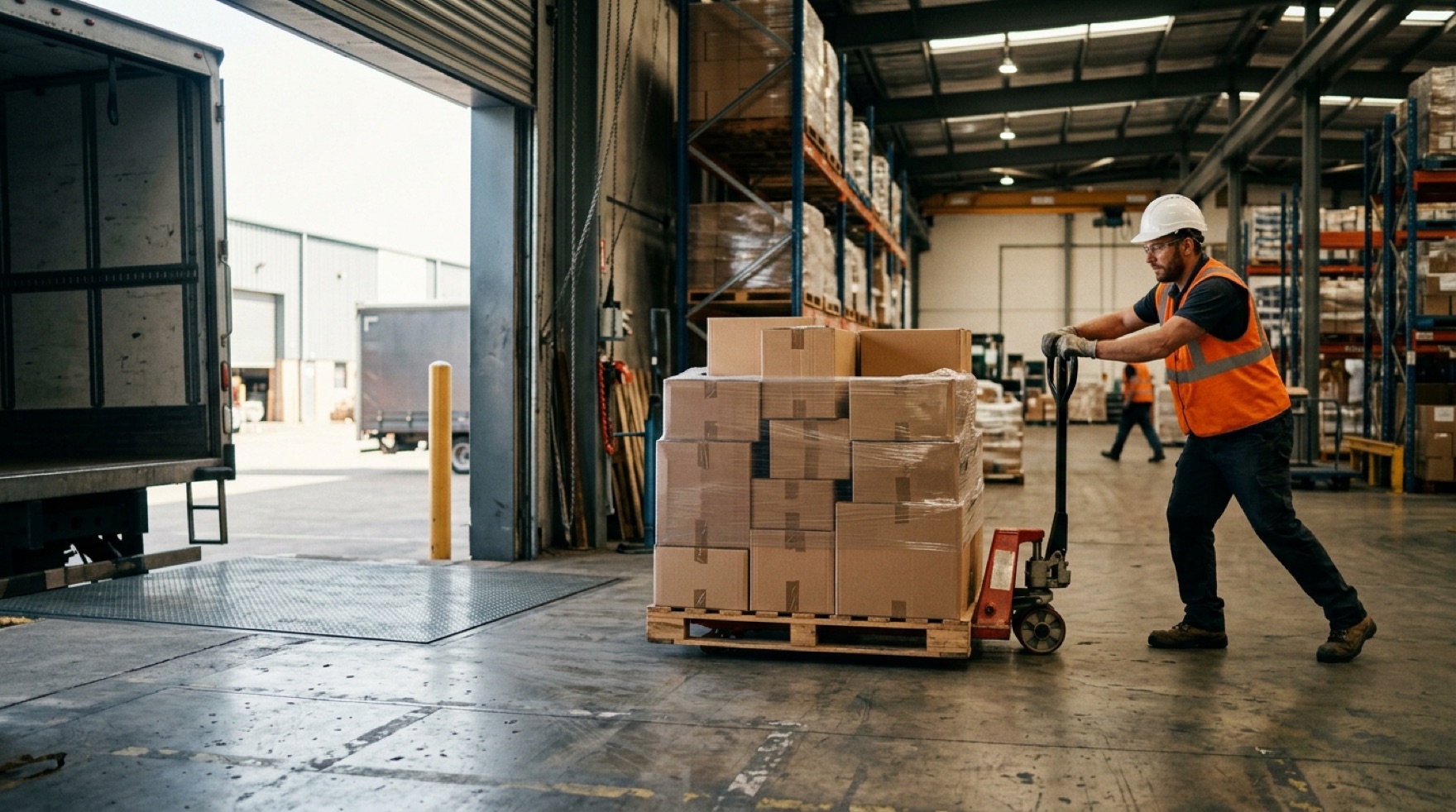
Manual Freight Moving
Load, unload, and stage by hand at the dock, where the back takes the strain.
Dock and freight-handling safety for loaders and material movers, where manual lifting, pallet-jack work, dock-edge falls, and shifting freight drive the injury pattern.
 2 articles
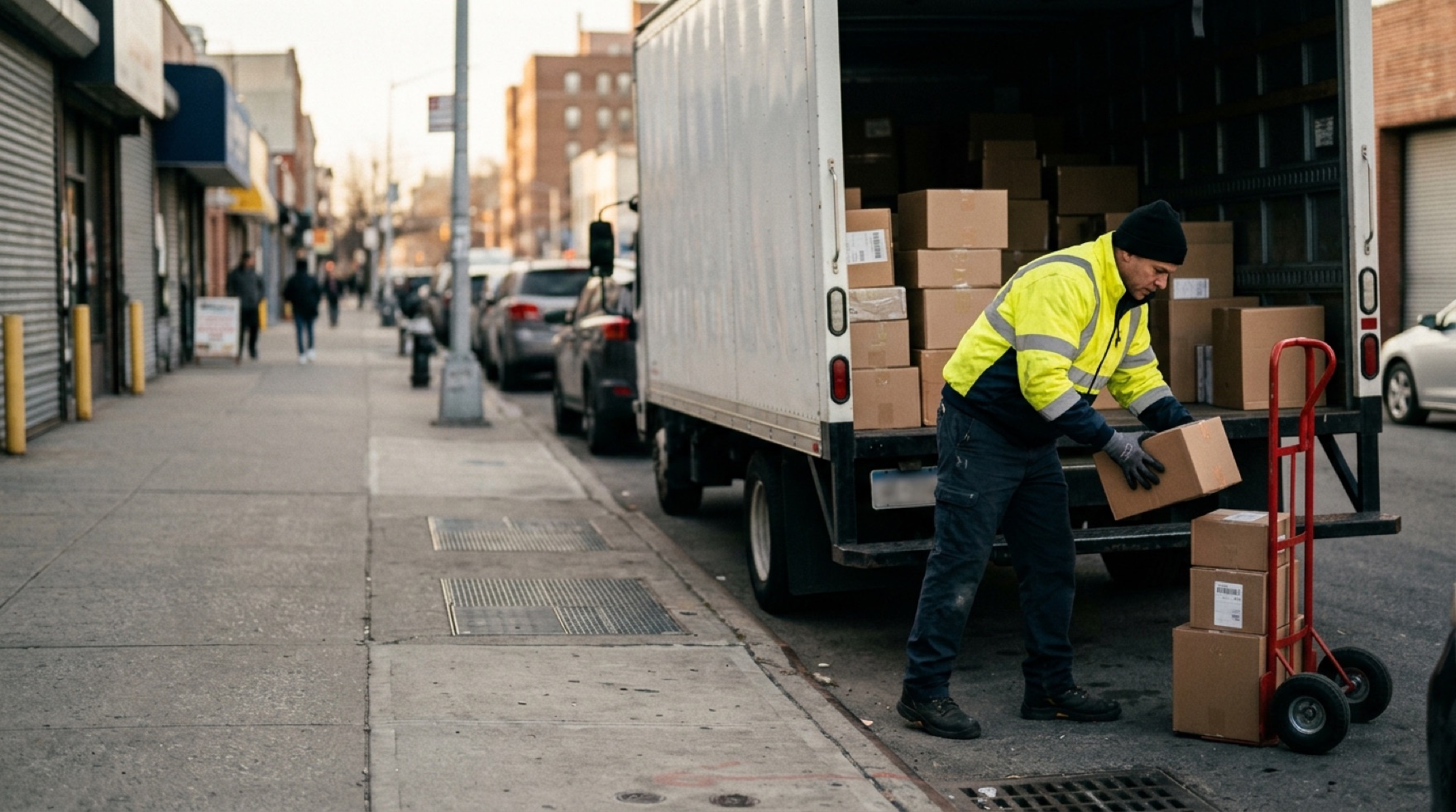
Delivery Driver & Route Sales
The road, the tailgate, and the customer step are three different injuries.
Safety for delivery and route-sales drivers, where highway crash risk, repeated lifting and carrying, and slips getting in and out of the cab combine across a long day.
Manufacturing
11 jobs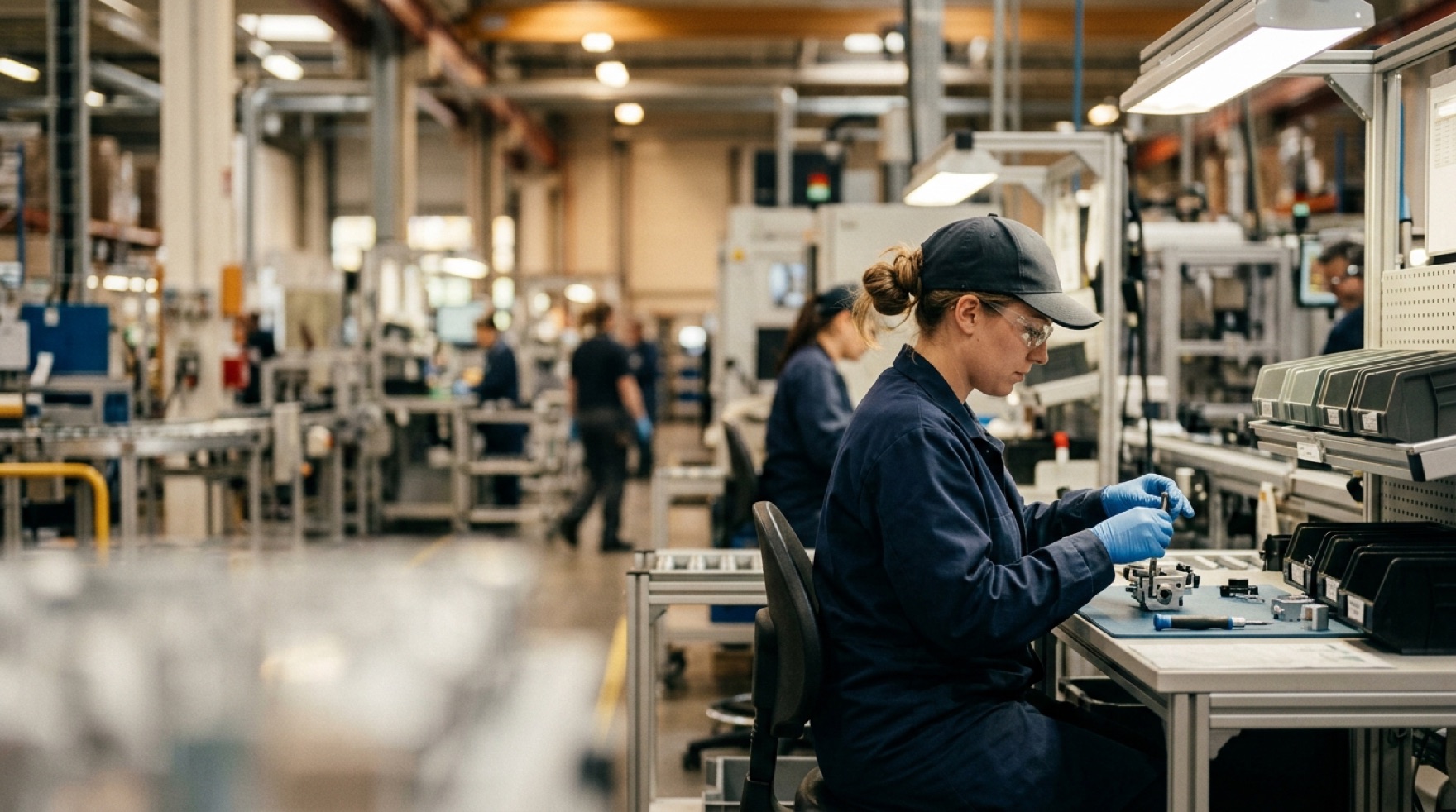 4 articles
Assembly & Subassembly
The line runs to takt time, and repetition is the hazard that adds up.
Line-side assembly safety, where repetitive motion and fixed postures drive cumulative-trauma injuries, and torque tools, presses, and adhesives add machine and chemical exposure.
 4 articles
Welding, Cutting & Fabrication
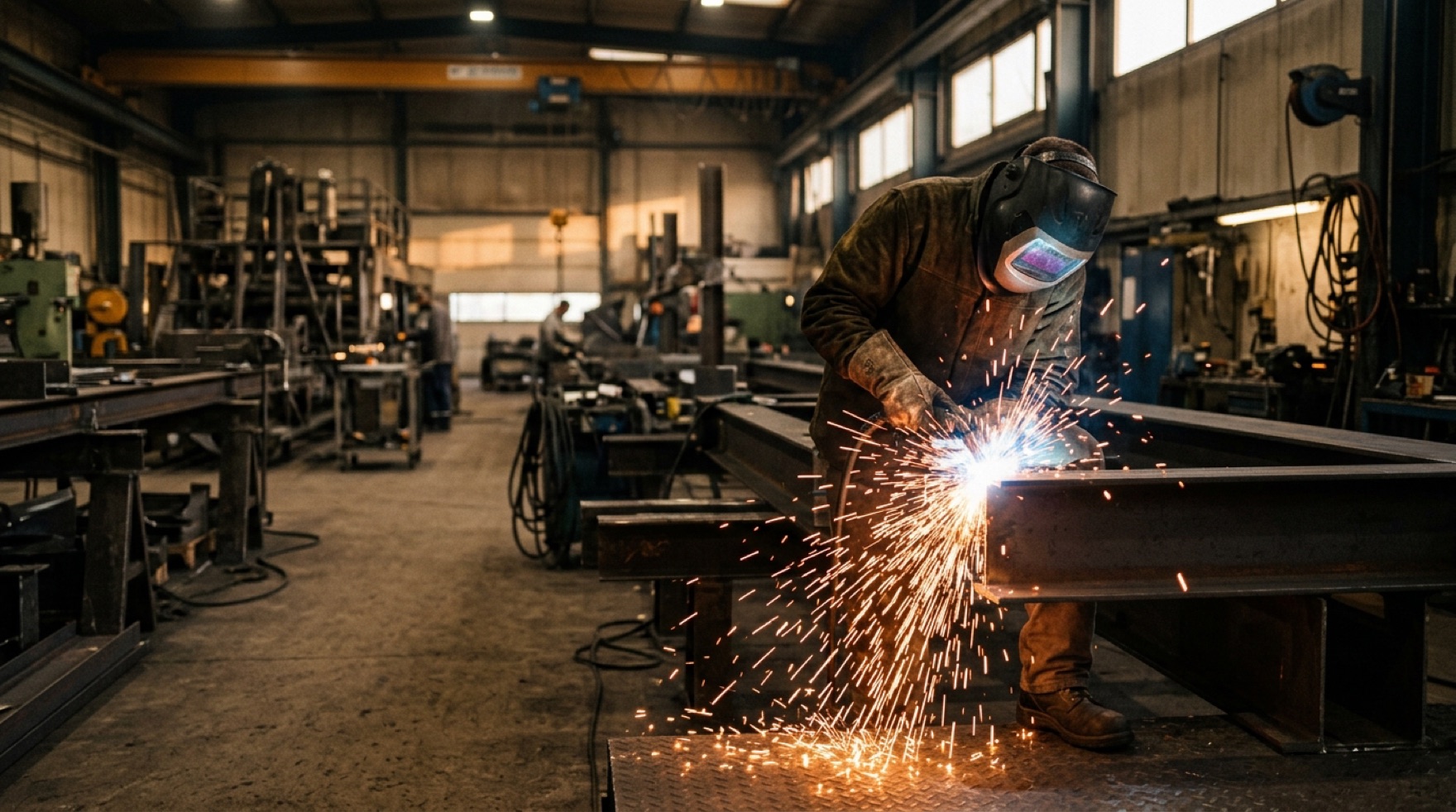
Ignition, fume, arc, and shock inside one arm's length.
Hot-work and fabrication safety, covering fire and hot-work control, welding-fume extraction, arc radiation and shade selection, electric shock, and compressed-gas cylinder handling.
 3 articles
Semiconductor & Cleanroom
Hazardous gases, corrosive chemistries, and static, all inside a gowned space.
Fab and cleanroom safety, where hazardous process gases, hydrofluoric acid and solvents, static-sensitive devices, and repetitive precision work define the exposure.
 2 articles
Metal & Plastic Machine Operation
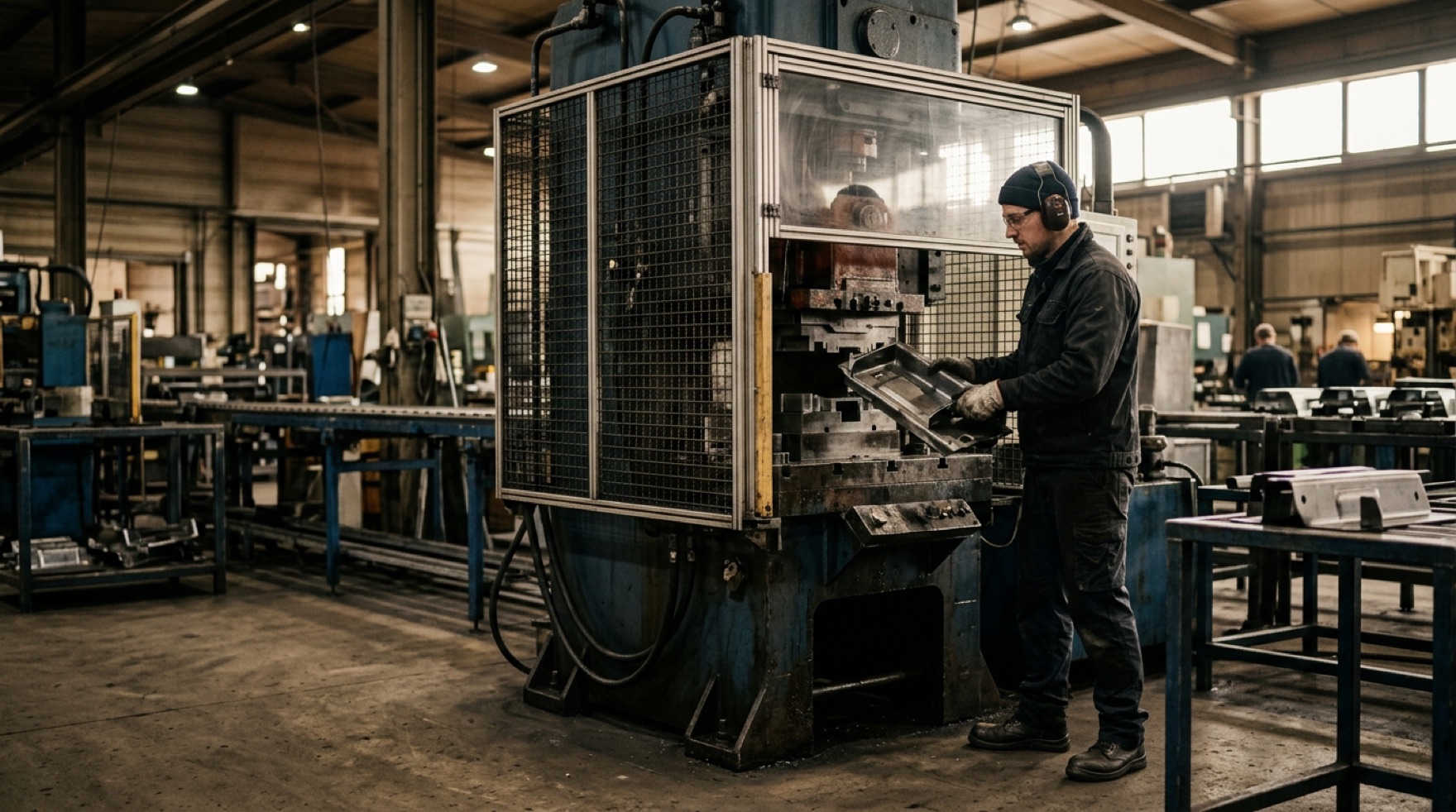
Presses, molders, and stamping lines run on energy that does not forgive a reach.
Machine-operation safety for stamping presses, injection molders, and forming equipment, where point-of-operation guarding, hazardous energy control, noise, and coolant exposure define the risk.
 2 articles
Machining, CNC & Toolmaking
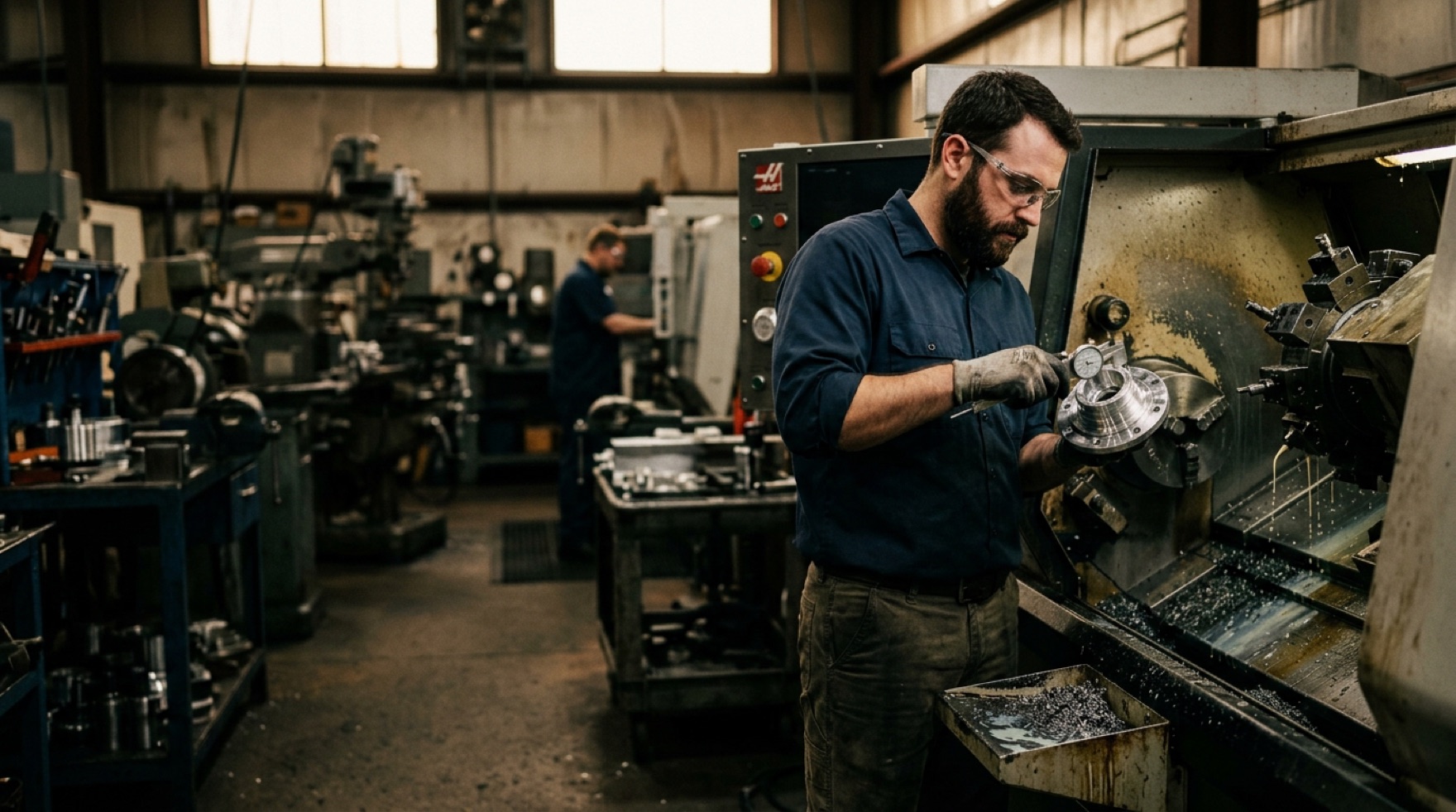
Rotating spindles, hot chips, and coolant mist in the same breathing zone.
Machine-shop safety for lathes, mills, grinders, and CNC centers, where entanglement, metalworking-fluid mist, noise, and swarf handling define the exposure.
 2 articles
Food & Beverage Processing
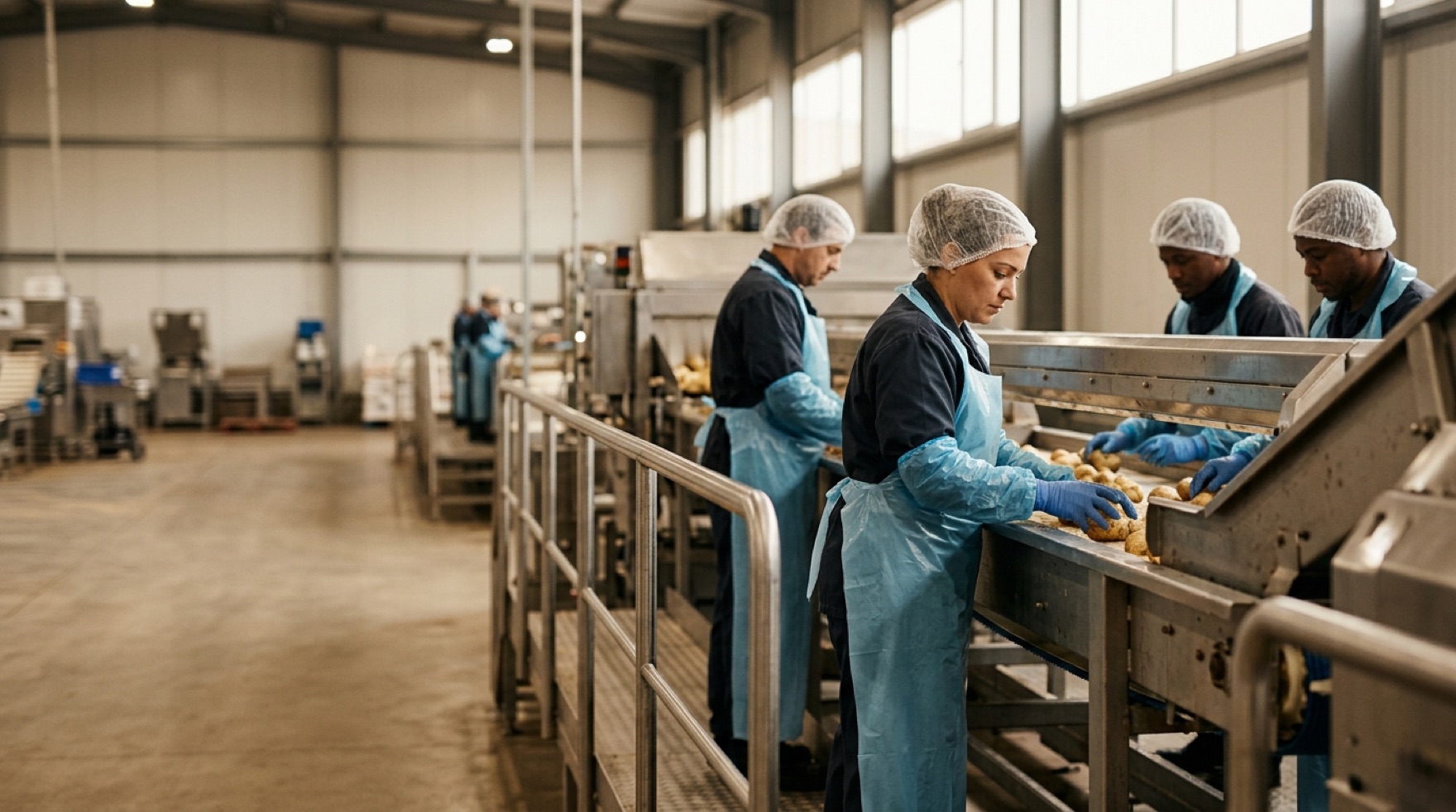
Blades, wet floors, and ammonia refrigeration under one sanitation regime.
Processing-plant safety for grinders, slicers, and packaging lines, where machine amputation, wet-floor falls, ammonia refrigeration, and sanitation chemistry define the risk.
 2 articles
Woodworking & Millwork
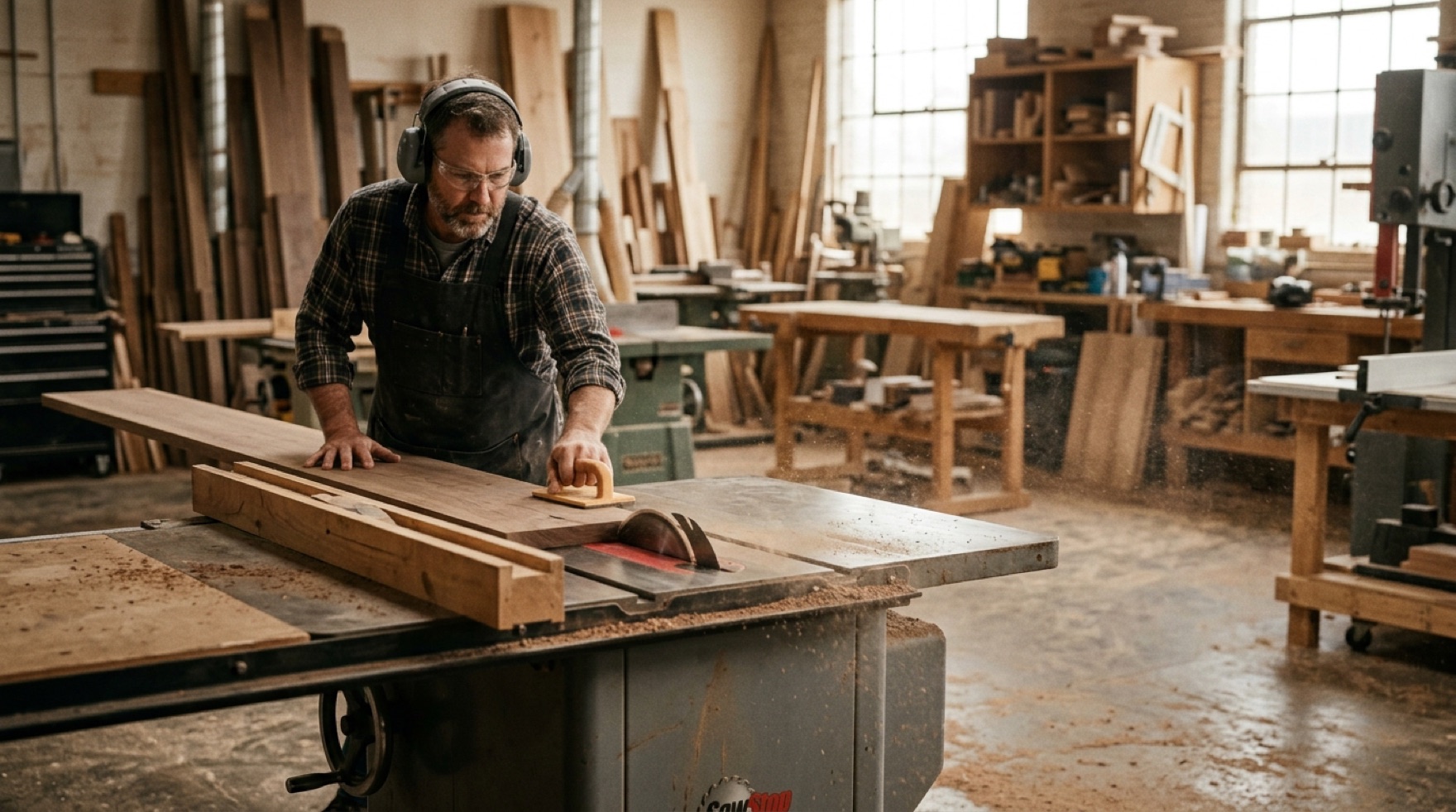
The blade, the dust, and the dust cloud are three separate hazards.
Woodshop and millwork safety for saws, jointers, and shapers, where blade contact and kickback, carcinogenic wood dust, combustible-dust explosion, and noise define the risk.
 2 articles
Painting, Coating & Finishing
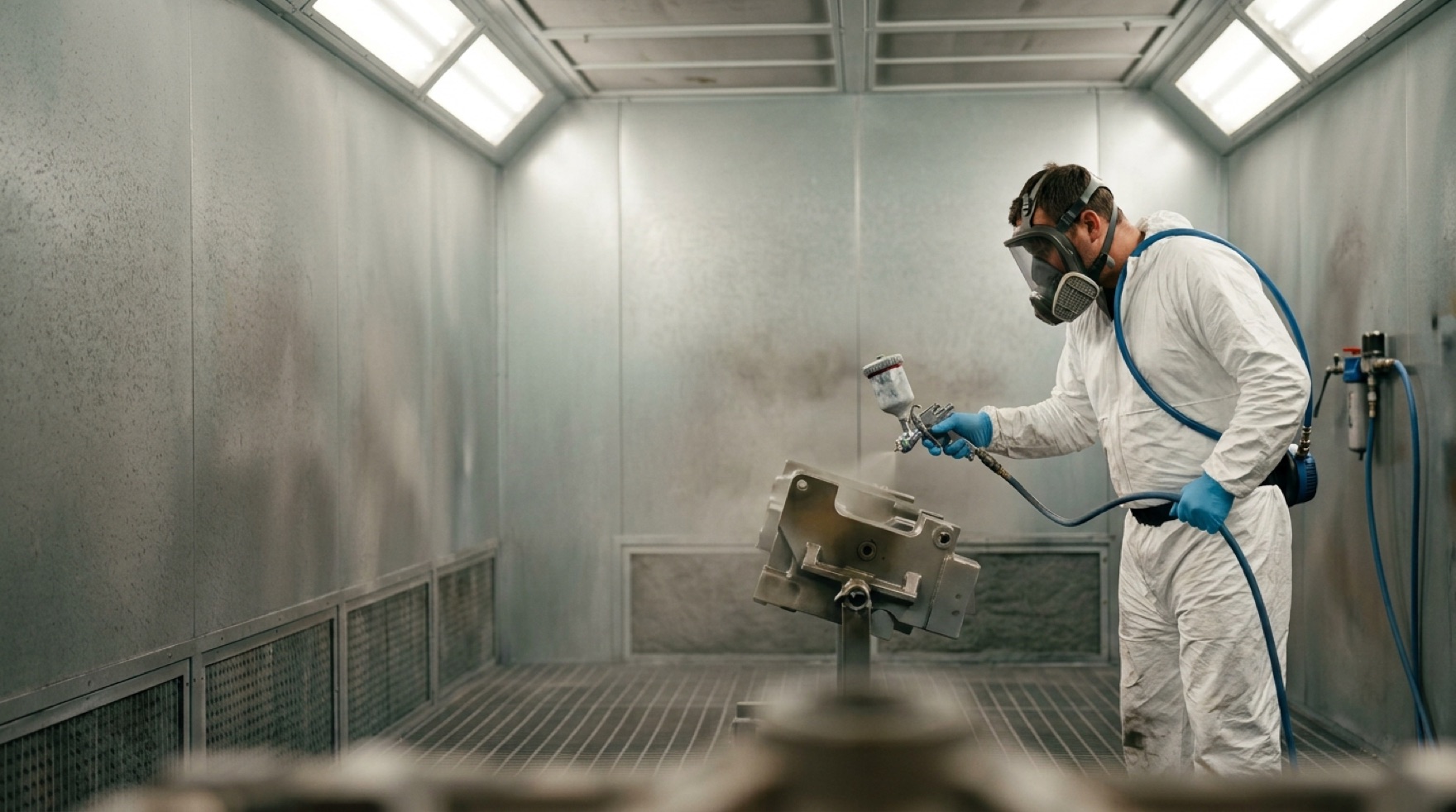
Isocyanates, solvent vapor, and a flammable atmosphere in the spray booth.
Industrial finishing safety for spray, dip, and coating operations, where isocyanate and solvent exposure, flammable-atmosphere fire risk, and stripper chemistry define the hazard.
 1 articles
Commercial Baking
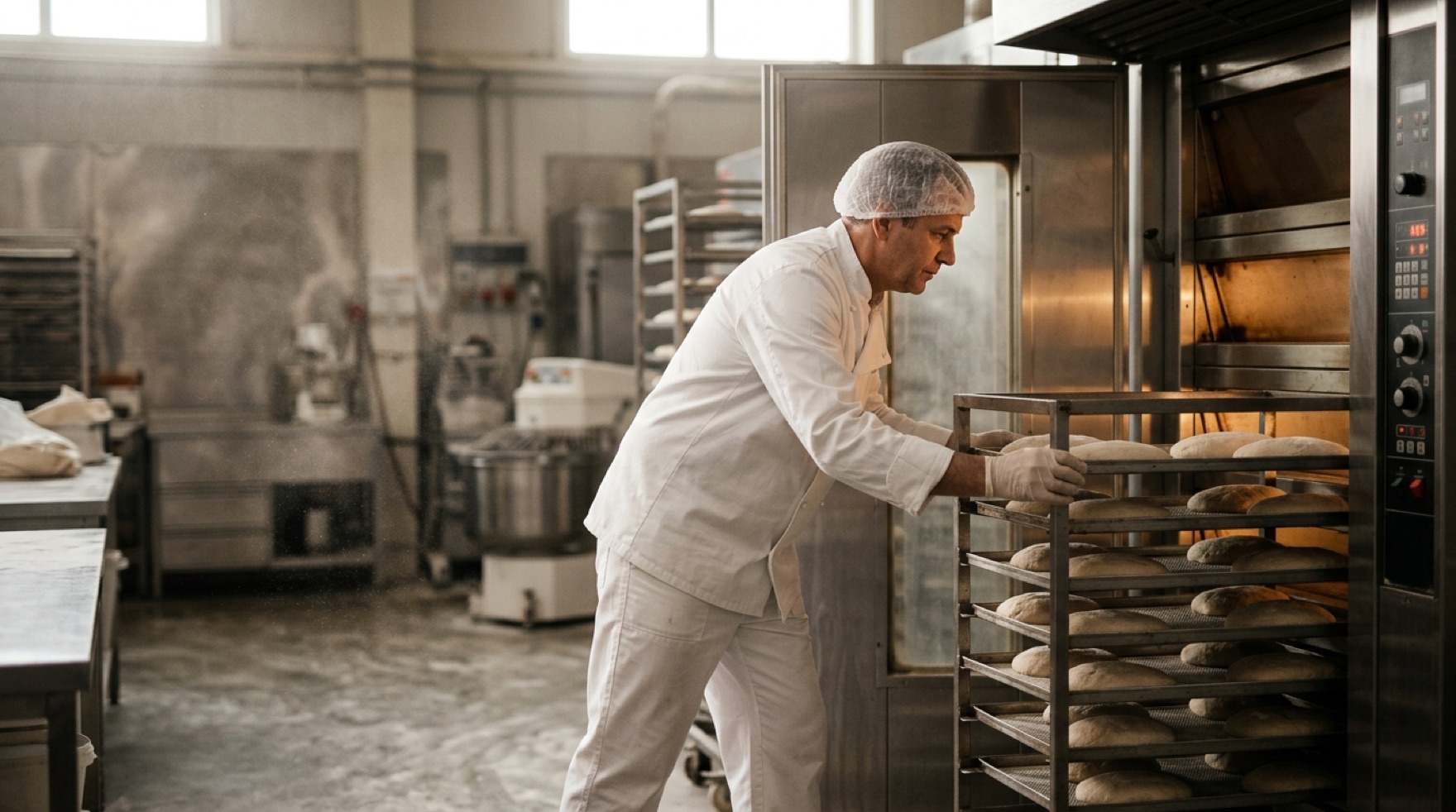
Flour dust sensitizes the lungs while the mixer and the oven wait for a hand.
Bakery-production safety, where flour-dust sensitization, dough-machine amputation, oven heat and burns, and repetitive handling define the risk.
 1 articles
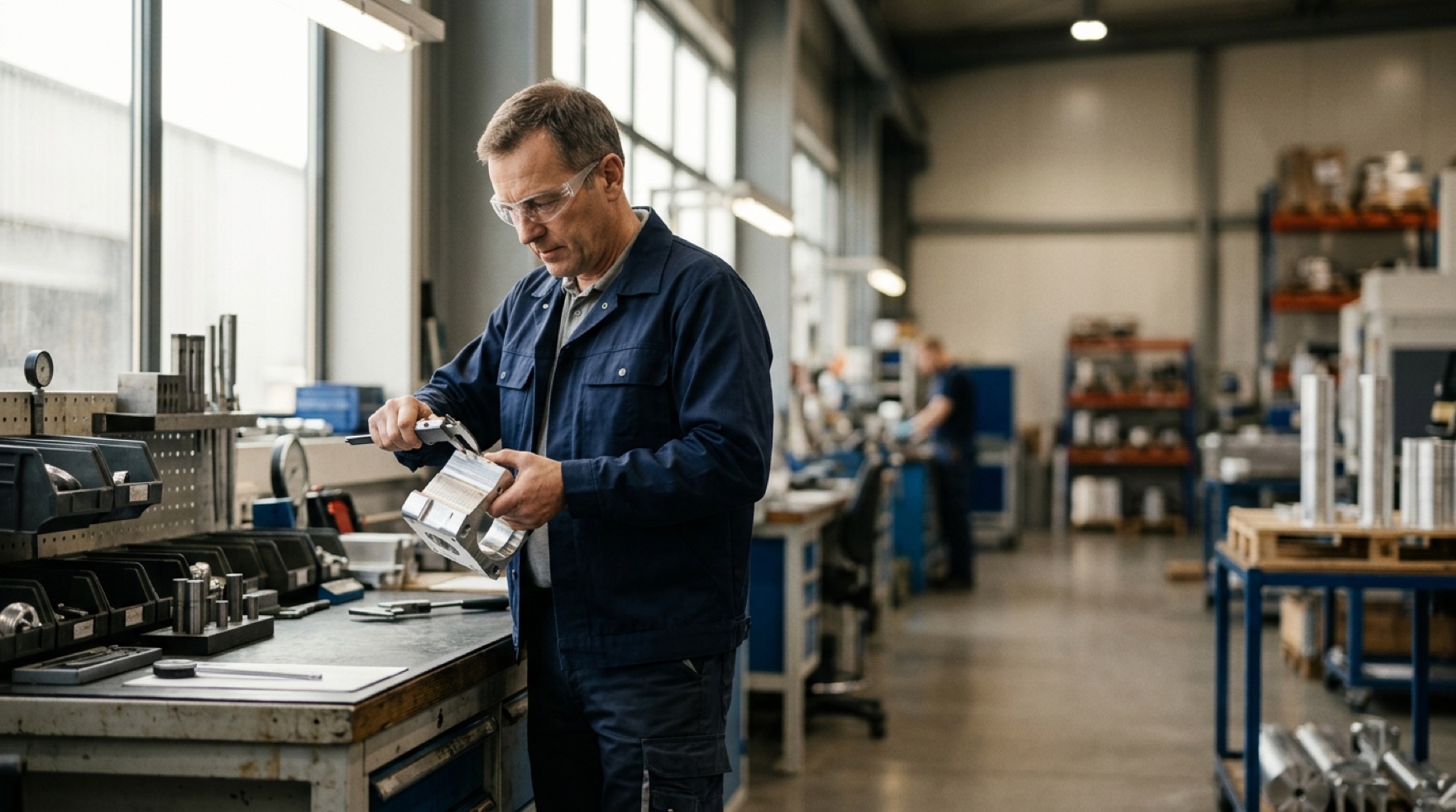
Quality Inspection & Gauging
Precision work holds the body still, and stillness is its own strain.
Inspection and metrology safety, where sustained precision postures, part handling, static-sensitive electronics, and the surrounding plant floor define the exposure.
 1 articles
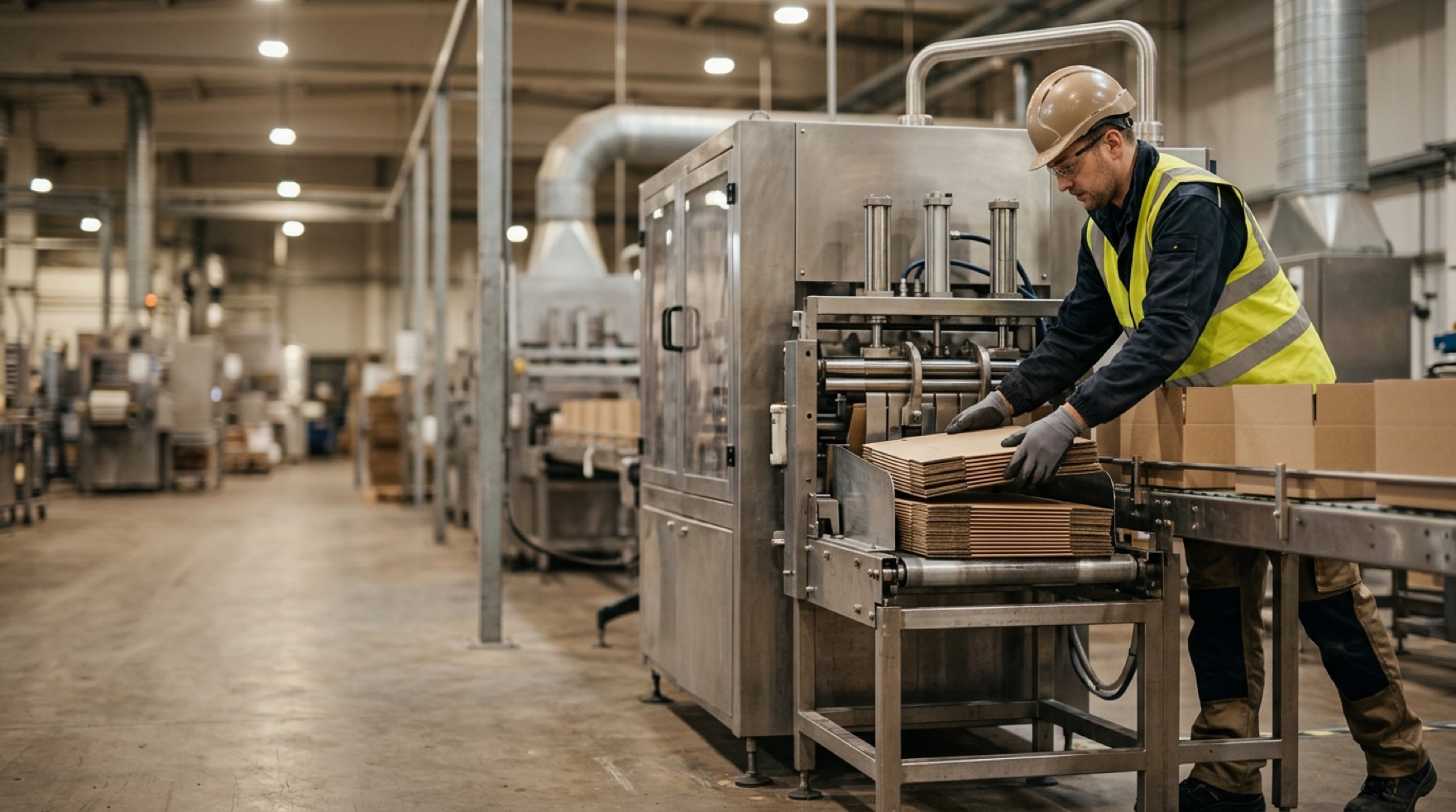
Packaging & Machine Feeding
Case erectors, wrappers, and palletizers pull material in, and hands follow.
End-of-line packaging safety for case erectors, wrappers, and palletizers, where machine nip and amputation, jam-clearing energy, repetitive feeding, and noise define the risk.
Trades
7 jobs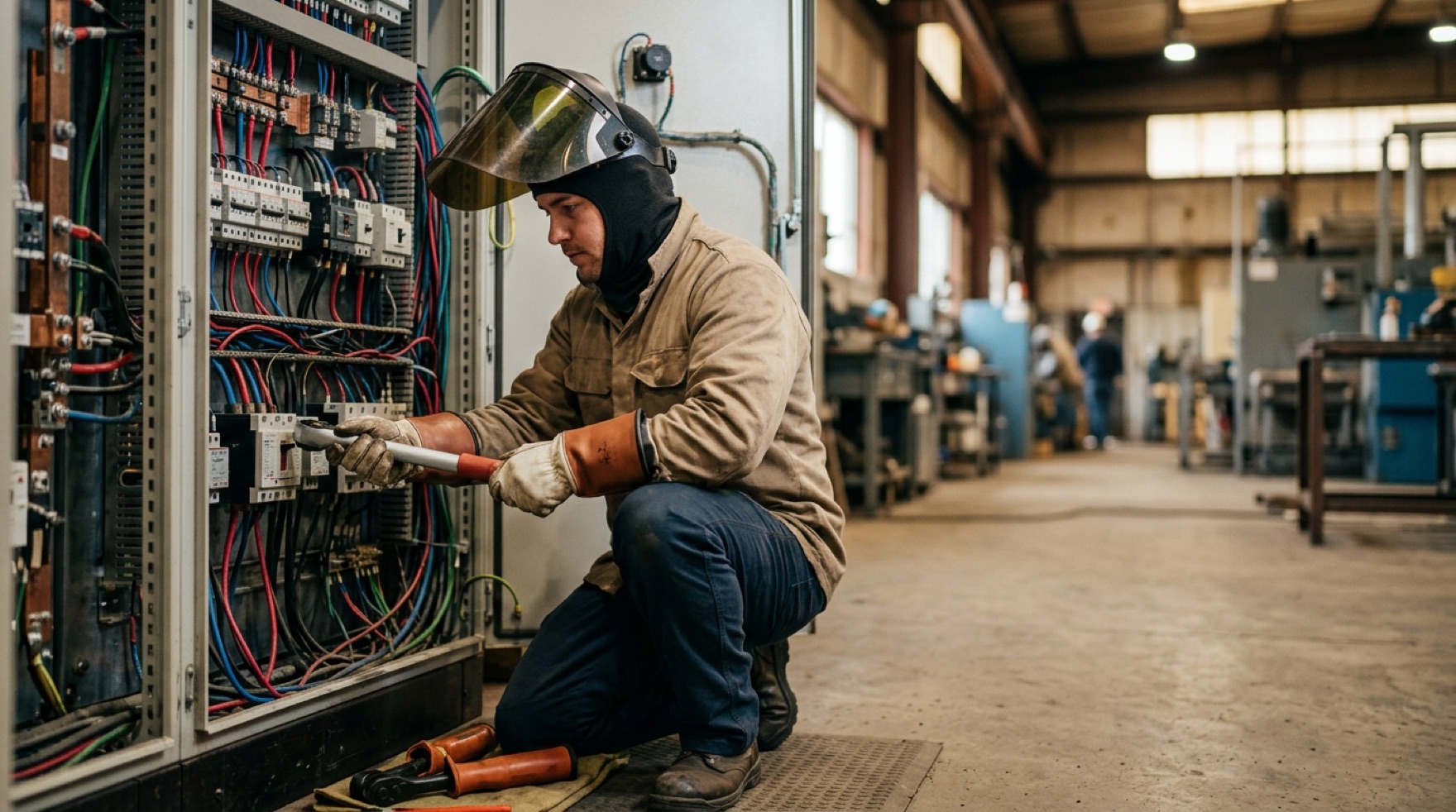 4 articles
Electrical Installation
The circuit that looks dead is the one that has to be proven dead.
Electrician safety for installation and wiring, where shock, arc flash, working at height, and hazardous-energy control define the risk.
 3 articles
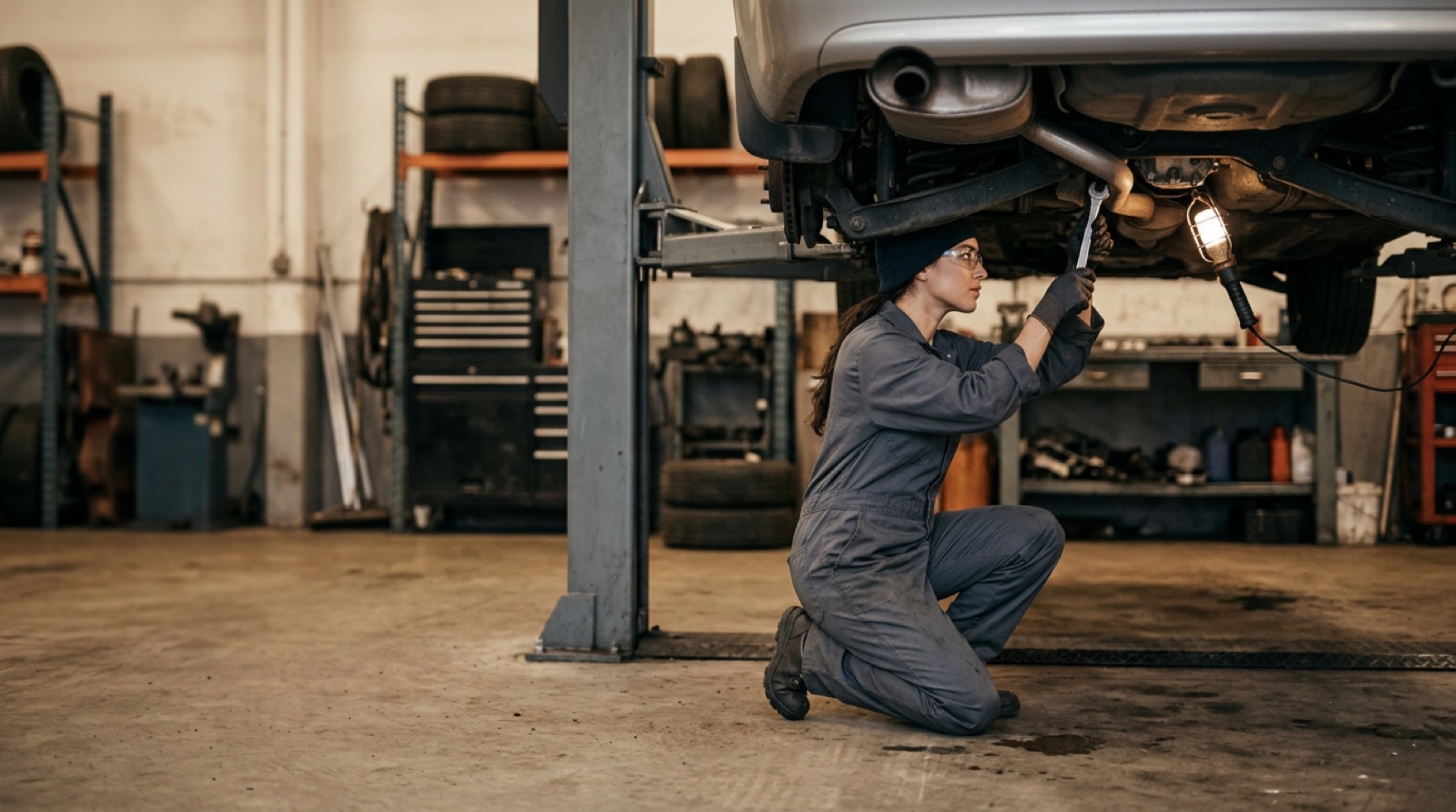
Automotive Service
Exhaust in the bay, a vehicle overhead, and now high voltage under the floor.
Vehicle-repair safety for the service bay, where carbon monoxide, lifted-vehicle struck-by, chemical exposure, and high-voltage electric-vehicle work define the risk.
 3 articles
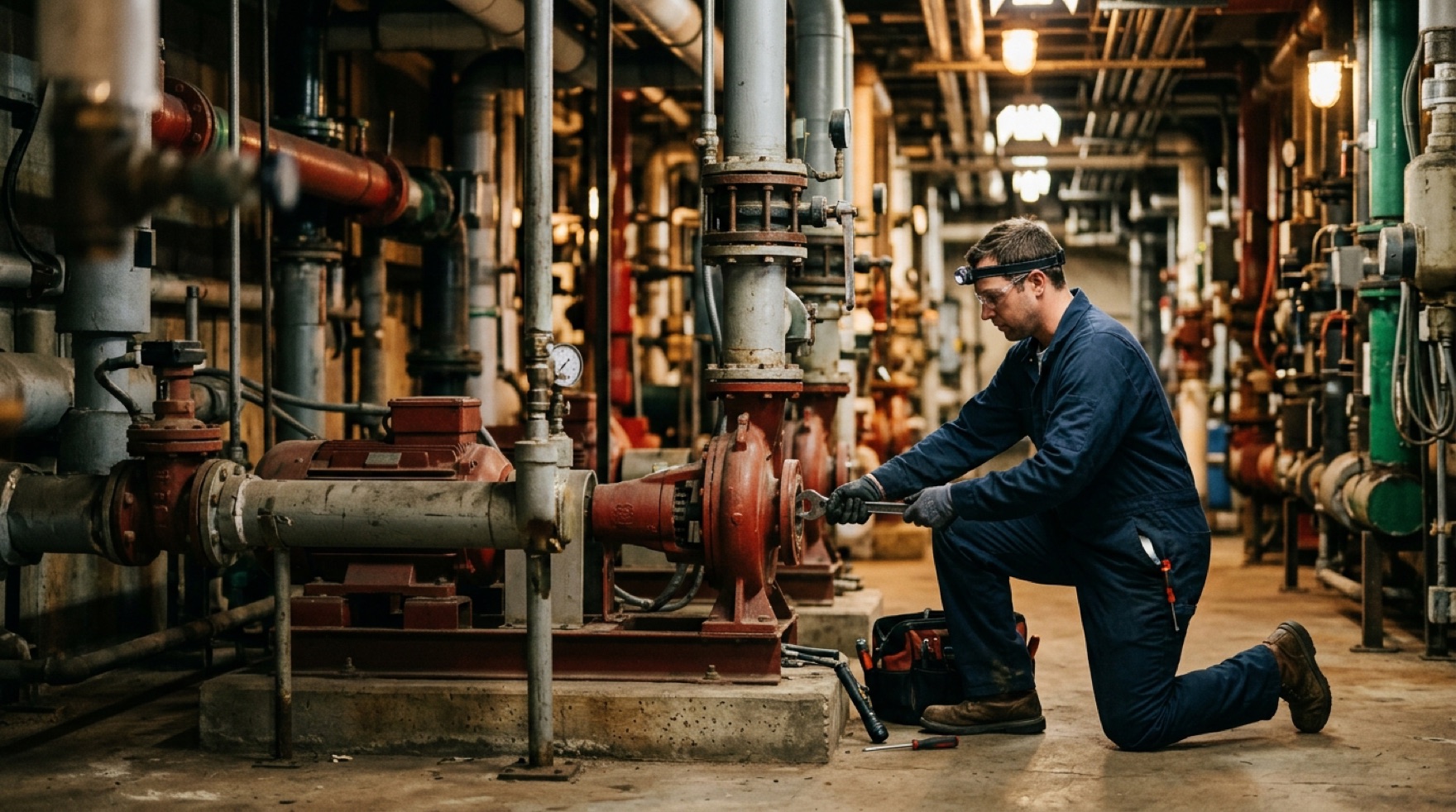
Facilities Maintenance
Every work order is a different building, a different hazard, a different height.
Building and facilities safety for maintenance technicians, where falls at height, electrical work, hazardous-energy control, and confined-space entry define the risk.
 2 articles
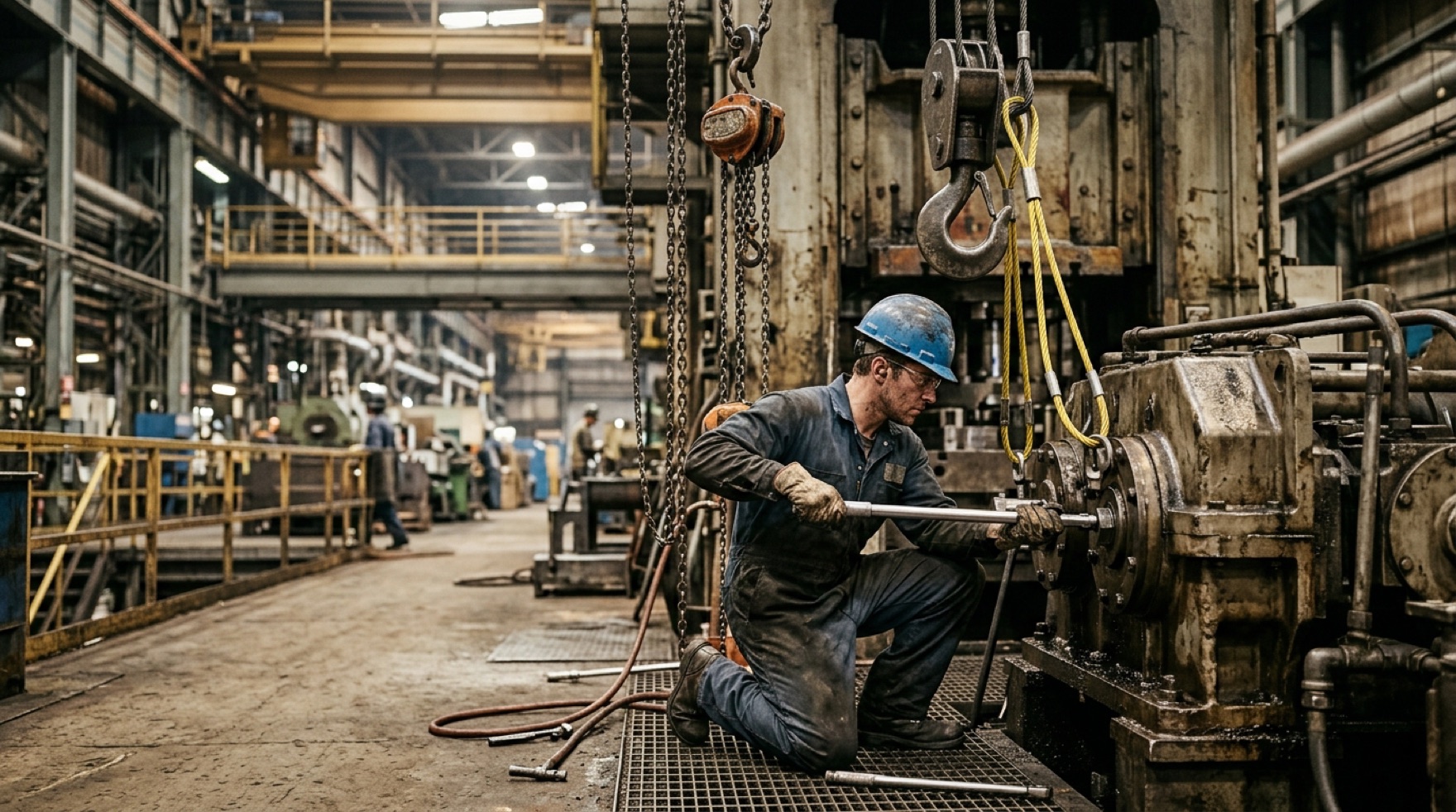
Industrial Machinery Maintenance
The machine that runs the plant is most dangerous the moment it is opened.
Millwright and maintenance-tech safety for production machinery, where hazardous-energy control, machine access, confined spaces, and rigging define the risk.
 2 articles
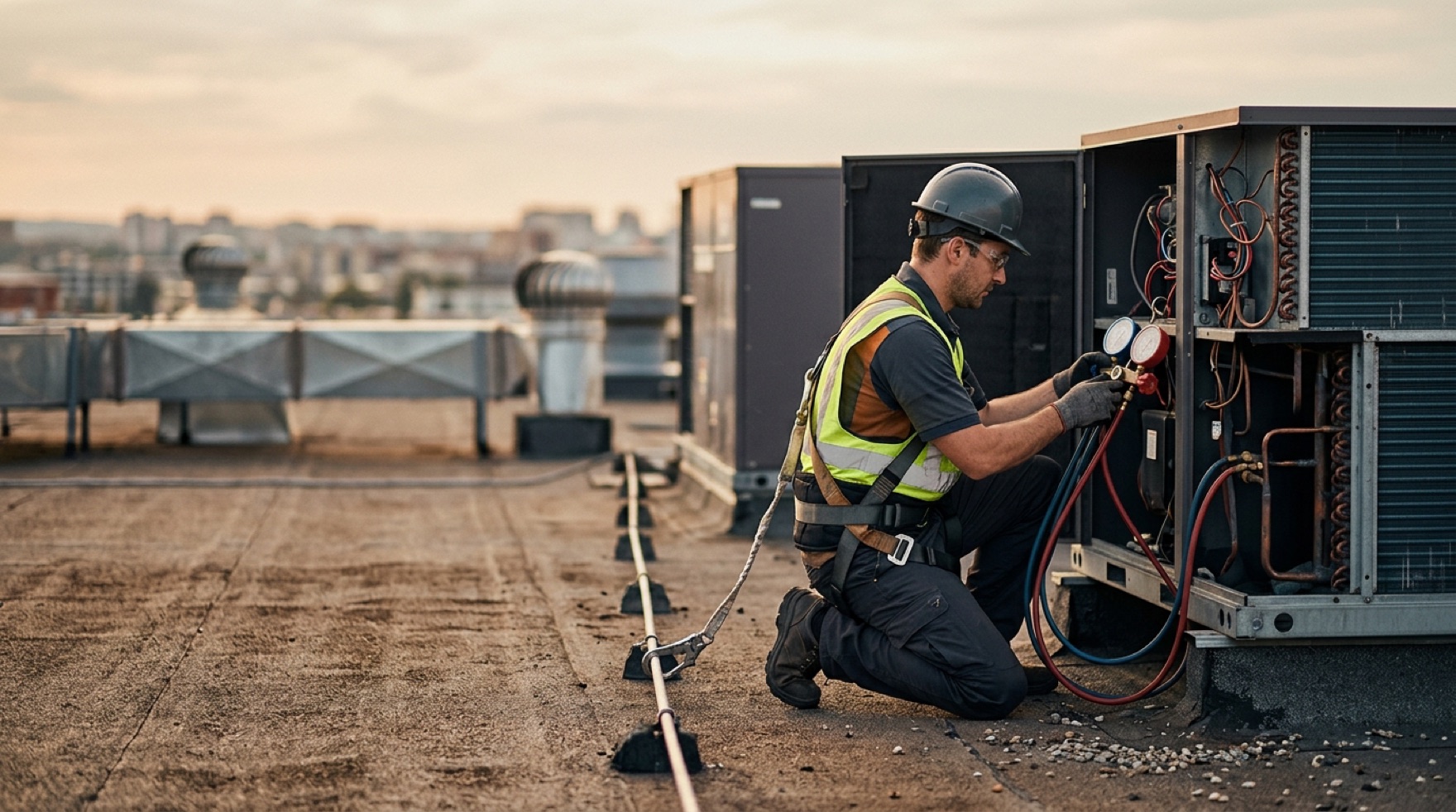
HVAC & Refrigeration
Refrigerant, live circuits, a rooftop, and a torch, often on the same call.
HVAC and refrigeration safety, where refrigerant and ammonia exposure, electrical work, work at height, and brazing hot work define the risk.
 2 articles
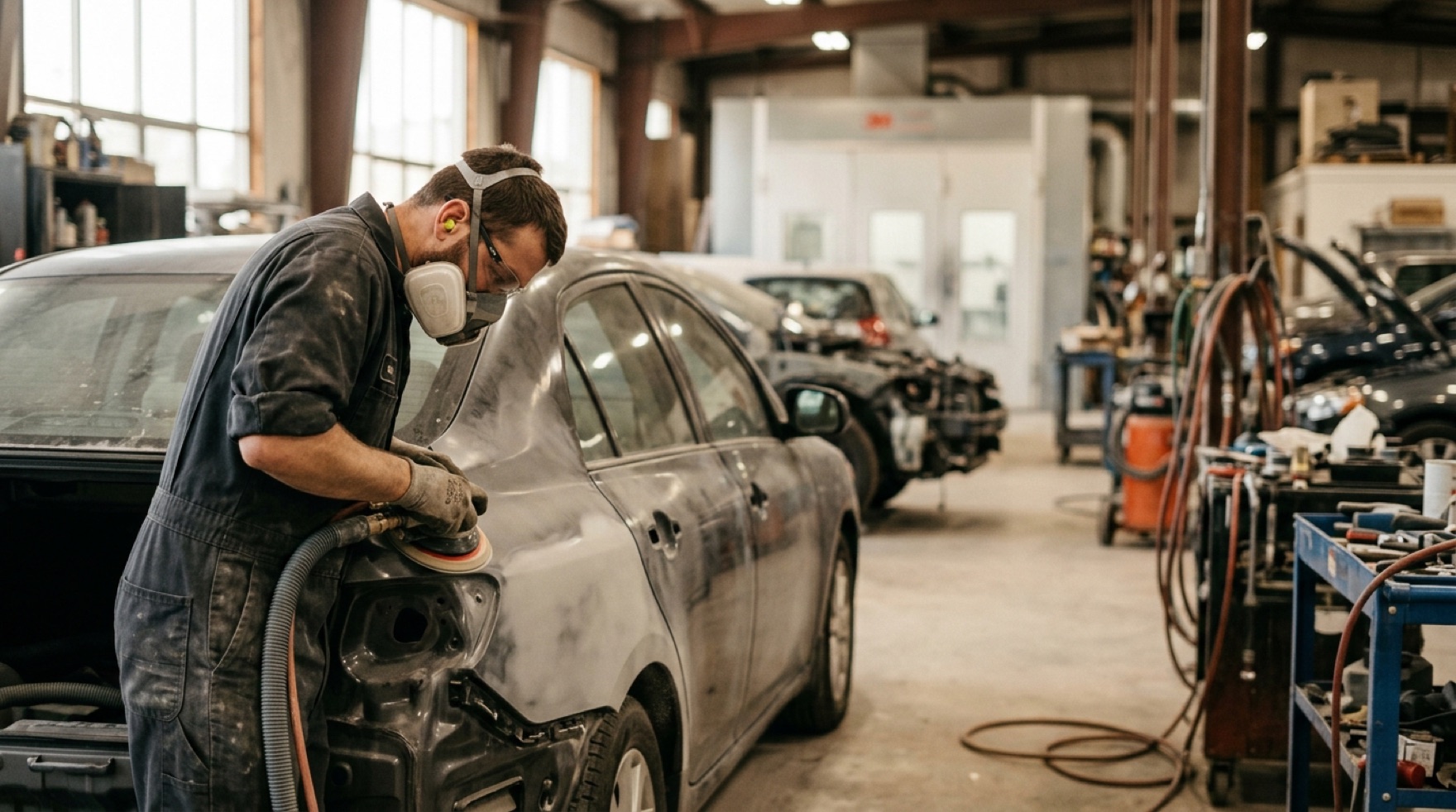
Collision & Auto Body
Isocyanate paint, sanding dust, and a spray booth full of flammable vapor.
Auto-body and refinishing safety, where isocyanate paint exposure, sanding dust, spray-booth fire risk, and welding fume define the hazard.
 1 articles
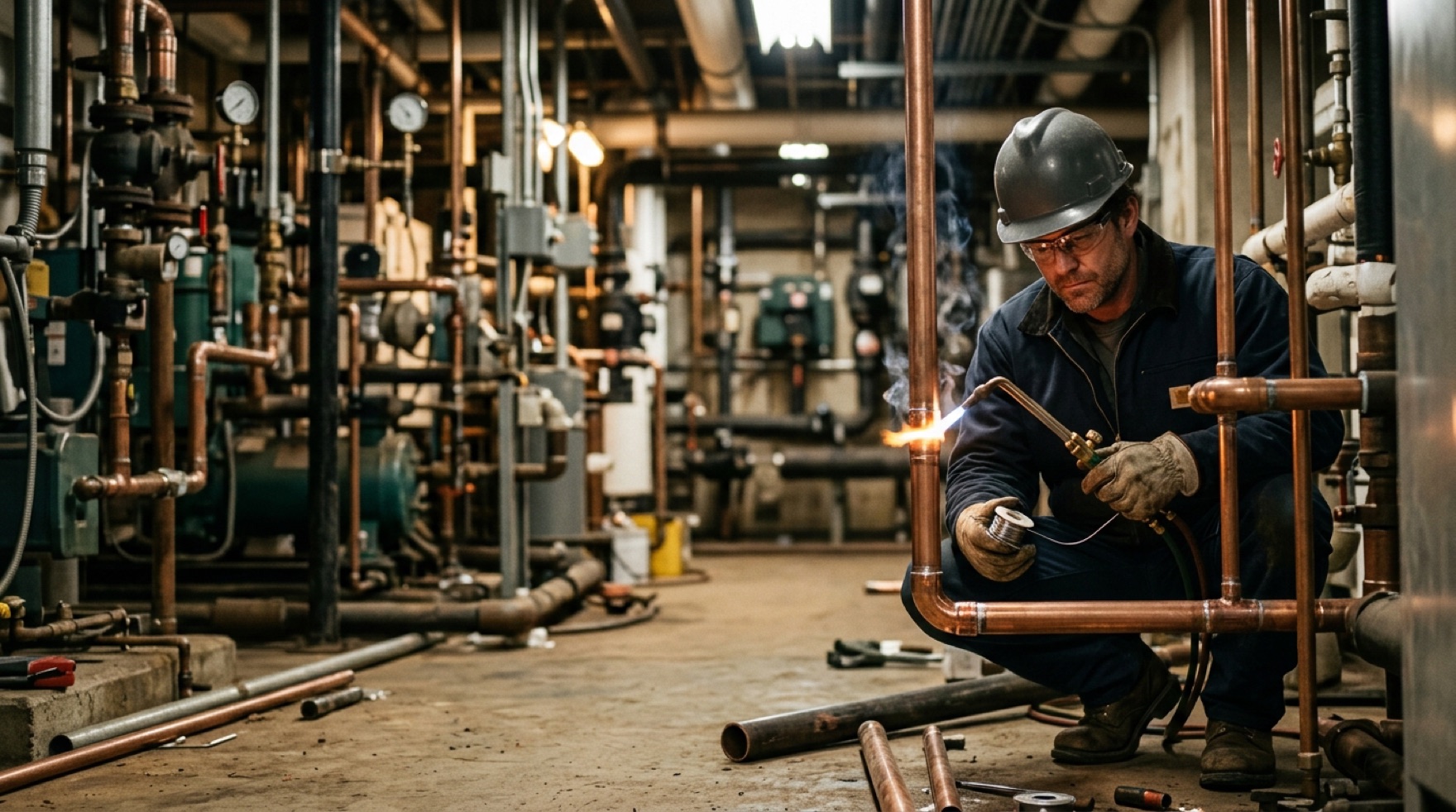
Plumbing & Pipefitting
Trenches, tanks, and sewer lines put the worst air at the bottom.
Plumbing and pipefitting safety, where confined-space atmospheres, sewer gas and lead, brazing hot work, and trench and lifting hazards define the risk.
Service
7 jobs 3 articles
Commercial Kitchen Line
Wet floors, open flame, hot oil, and sharp steel in a space measured in inches.
Line-cook safety for the commercial kitchen, where slips on wet and greasy floors, burns, knife cuts, and grease fire define the risk.
 2 articles
Retail Floor & Checkout
Repetition at the register, stock on the floor, and the risk of the person at the counter.
Retail safety for sales-floor and checkout staff, where repetitive scanning and standing, slips and falls, box-cutter cuts, and workplace violence define the risk.
 2 articles
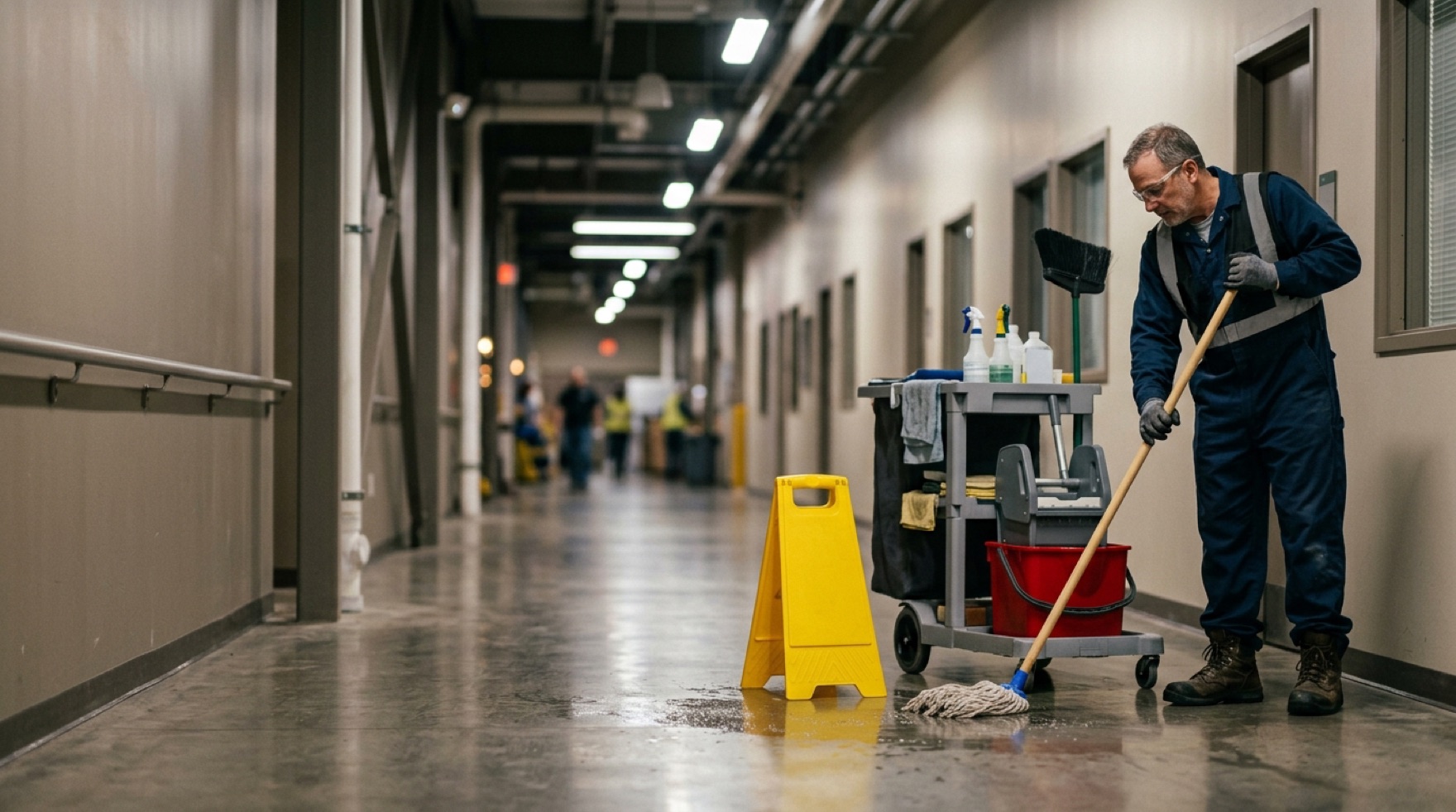
Janitorial & Cleaning
The chemicals that clean the building are the ones that reach the worker first.
Custodial and cleaning safety, where chemical exposure, wet-floor slips, repetitive strain, and bloodborne-pathogen contact define the risk.
 2 articles
Salon & Personal Care
Formaldehyde in the smoothing treatment, and a whole day on your feet with arms raised.
Salon and personal-care safety, where formaldehyde and chemical exposure, standing and overhead-reach strain, and repetitive fine motions define the risk.
 1 articles
Counter Service
Hot drinks, wet floors, and a queue that does not slow down.
Quick-service and counter safety, where slips, hot-liquid and equipment burns, repetitive standing work, and customer-facing stress define the risk.
 1 articles
Table Service
A loaded tray across a crowded floor, hundreds of times a shift.
Server and waitstaff safety, where slips while carrying, overexertion from loaded trays, hot-plate burns, and customer-facing stress define the risk.
 1 articles
Bar Service
Wet mats, broken glass, and a keg to change before the rush.
Bartender and bar-service safety, where slips behind the bar, glass lacerations, keg and case lifting, and late-hour customer risk define the exposure.

Stay ahead of safety.
New articles, free templates, and regulatory updates in your inbox. No spam — unsubscribe anytime.