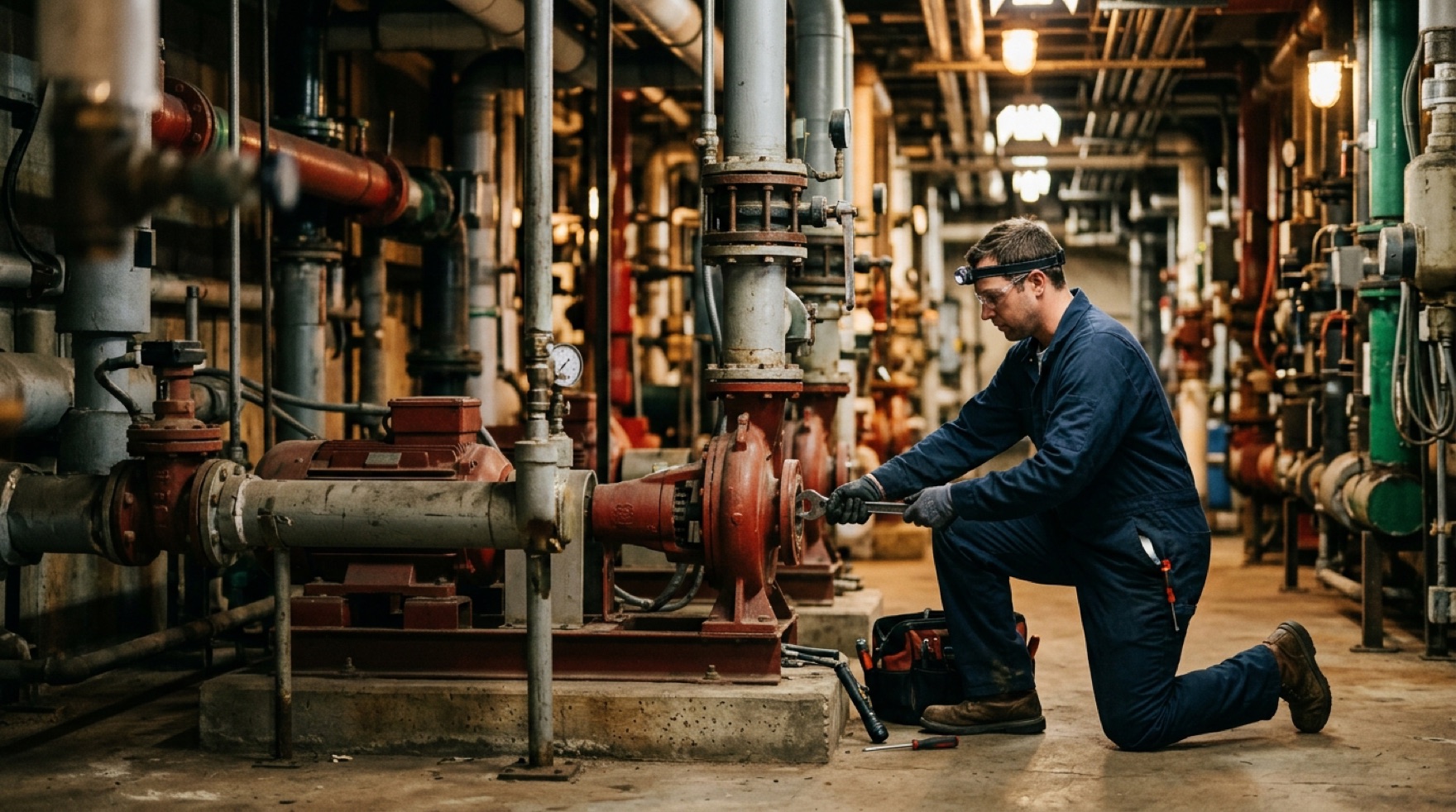
Facilities Maintenance
Every work order is a different building, a different hazard, a different height.
Facilities maintenance is the trade of variety: one work order is a rooftop unit, the next is a live panel, the next is a pump in a pit. That range means the maintenance technician meets nearly every general-industry hazard, with falls from height, electrical shock, uncontrolled hazardous energy, and confined-space atmospheres leading the list.
The defining feature of facilities maintenance is that the hazards change with every work order. A technician moves from a ladder to a roof to an electrical room to a mechanical pit in a single shift, and each environment brings its own risk. Falls from height are the most frequent serious event, because so much of the work is above the floor on ladders, catwalks, and roofs, often reached quickly and without the setup a dedicated crew would use.
The rest of the exposure comes from the systems being maintained. Electrical work brings shock and arc flash, mechanical work brings the stored energy that lockout/tagout controls, and tanks, pits, and vaults bring confined-space atmospheres that can be oxygen-deficient or toxic below the visible surface. Because the work is unpredictable and often solo, the program leans on planning the individual job: assessing the specific hazard, applying the right permit or lockout, and never entering a confined space without atmospheric testing.
The hazards, and the controls that move the needle
Ordered by the hierarchy of controls — eliminate and engineer first, then treat matting, footwear, and PPE as the layers that catch what remains.
Falls from ladders, roofs, and catwalks
Much of maintenance happens above the floor, reached quickly on ladders and roofs. Falls from height are the most frequent serious injury and a leading cause of workplace fatalities.
- Use lifts and platforms rather than ladders where feasible
- Provide fall protection and anchor points for roof and height work
- Guard and maintain fixed ladders, catwalks, and skylights
- Inspect ladders and use them within their duty rating
- Plan the access before starting the work order
Electric shock and arc flash
Maintenance work reaches into panels, motors, and controls carrying dangerous voltage. Shock and arc flash follow when a circuit is worked without being proven dead.
- Establish an electrically safe work condition before work
- Test for absence of voltage and lock out the source
- Use the incident-energy analysis to set arc flash PPE
- Restrict energized work to qualified persons with a permit
- Use insulated tools and rated gloves for any exposure
Uncontrolled hazardous energy
Servicing pumps, fans, conveyors, and drives exposes technicians to stored mechanical, hydraulic, pneumatic, and electrical energy. Unexpected startup or energy release causes crushing and amputation.
- Apply machine-specific lockout/tagout before servicing
- Isolate, lock, tag, and verify a zero-energy state
- Discharge or block stored mechanical and pressure energy
- Coordinate group lockout on shared systems
- Audit energy-control procedures on a schedule
Confined-space atmospheres
Tanks, pits, vaults, and ducts can hold atmospheres that are oxygen-deficient, toxic, or flammable below the visible surface. An atmosphere is considered oxygen-deficient below 19.5 percent oxygen.
- Identify and label permit-required confined spaces
- Test the atmosphere before and during entry
- Ventilate and control hazards before anyone enters
- Use an entry permit, attendant, and rescue plan
- Never enter to attempt a rescue without proper equipment
The programs that anchor the floor
Job hazard analysis per work order
Because the hazards change with every task, each work order starts with a quick assessment of what this specific job involves. Height, energy, atmosphere, and chemistry are identified before tools come out, not discovered partway in.
Lockout/tagout and energy control
Any service that exposes a technician to stored energy starts with isolate, lock, tag, and verify. The minor-servicing exception is narrow, and solo maintenance work is exactly where shortcuts turn into injuries.
Confined-space entry program
Permit-required spaces are identified and never entered on assumption. Atmospheric testing, ventilation, an attendant, and a rescue plan are in place before entry, because most confined-space deaths include would-be rescuers.
In-depth guidance
View all 3 →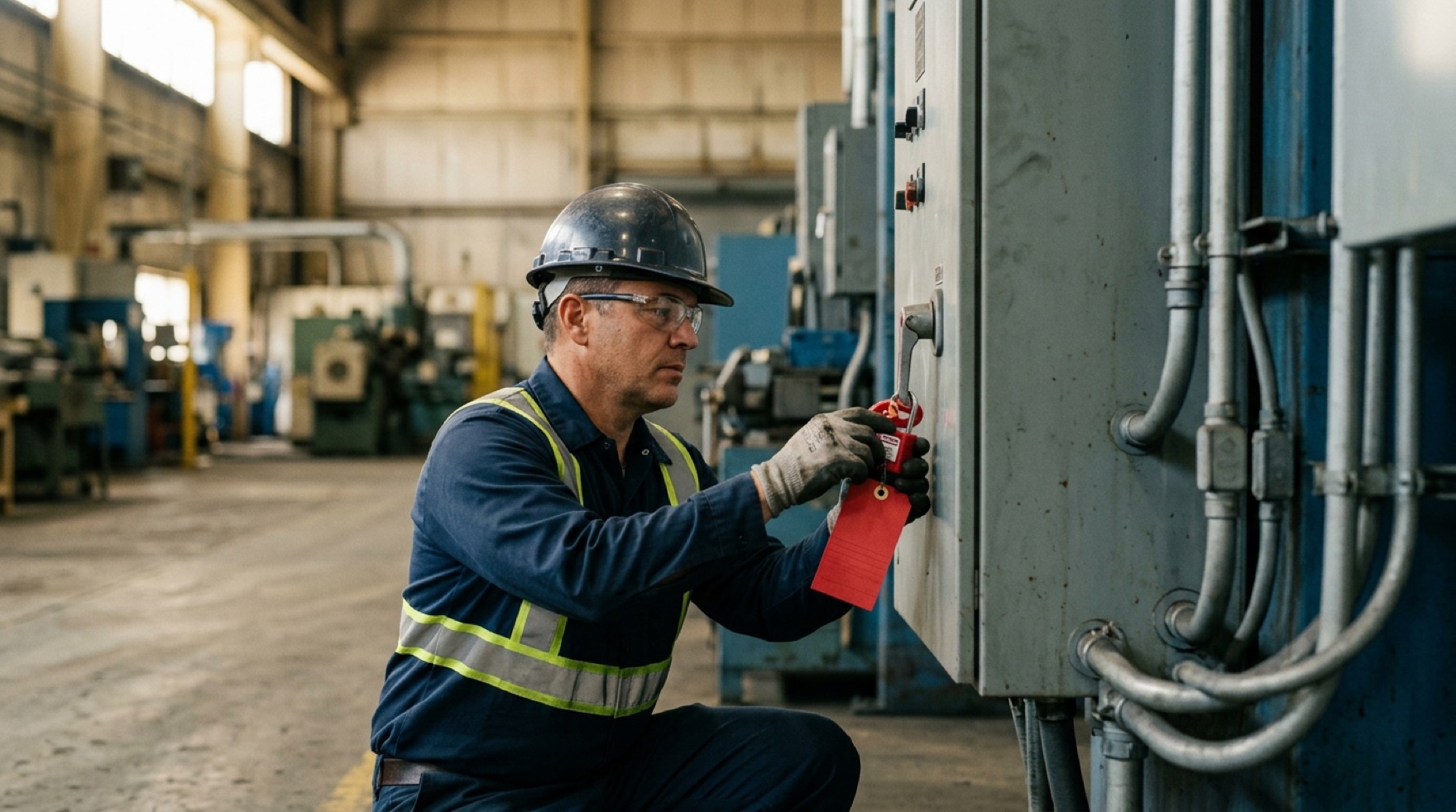
Lockout/Tagout for Facilities Maintenance (29 CFR 1910.147)
Facilities maintenance is where lockout/tagout is hardest to hold: every work order is a different machine, a different energy source, and often a different trade. 29 CFR 1910.147 does not bend for that variety. Here is the six-step sequence the standard requires, when the minor-servicing exception actually applies, and how group lockout keeps a multi-trade job protected.
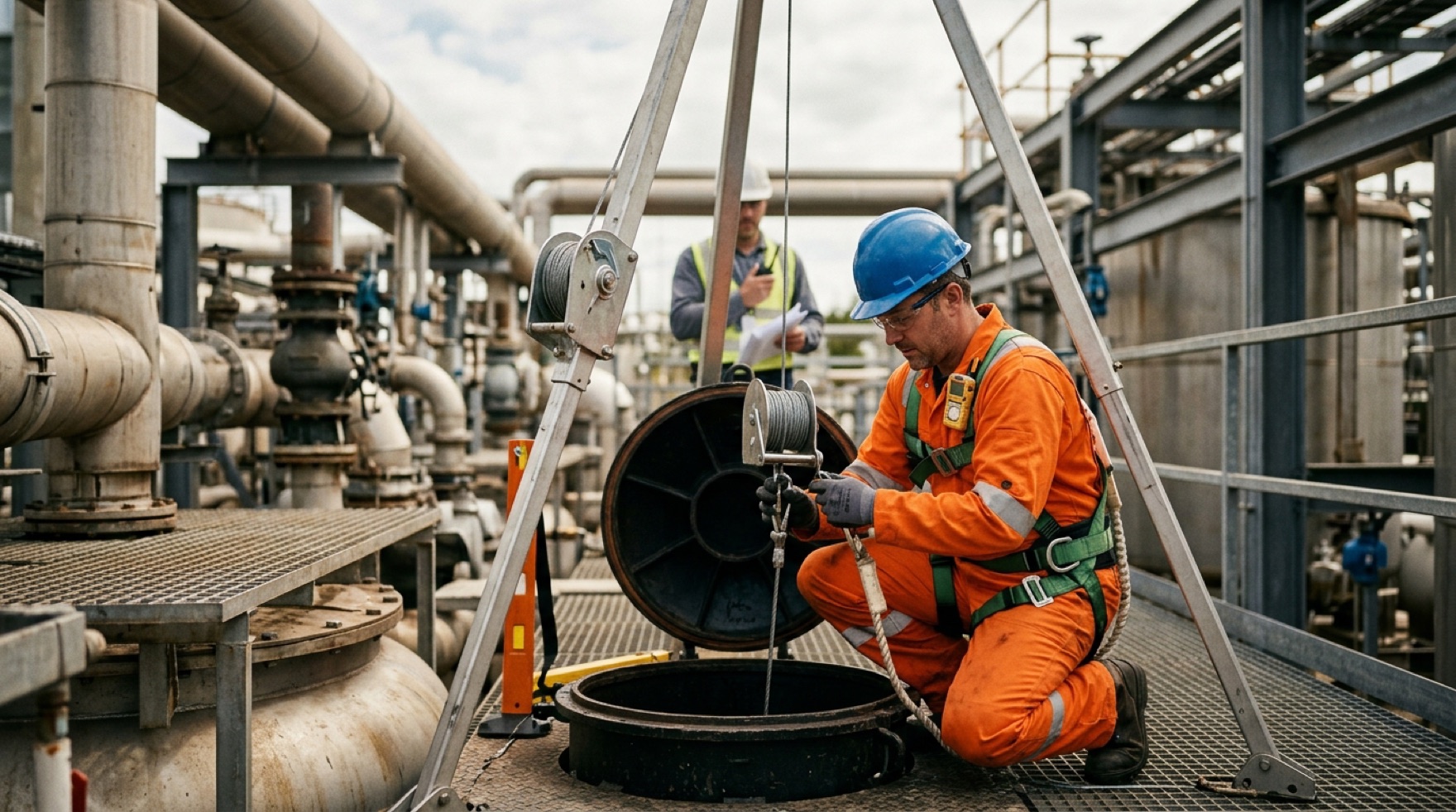
Permit-Required Confined Space Entry (29 CFR 1910.146)
Boiler rooms, pits, tanks, vaults, and manholes are where facilities work meets the deadliest hazard in the building: an atmosphere that gives no warning. 29 CFR 1910.146 turns entry into a controlled operation with a tested atmosphere, an entry permit, an attendant, and a rescue plan. Here is what the standard requires, in the order the work happens.
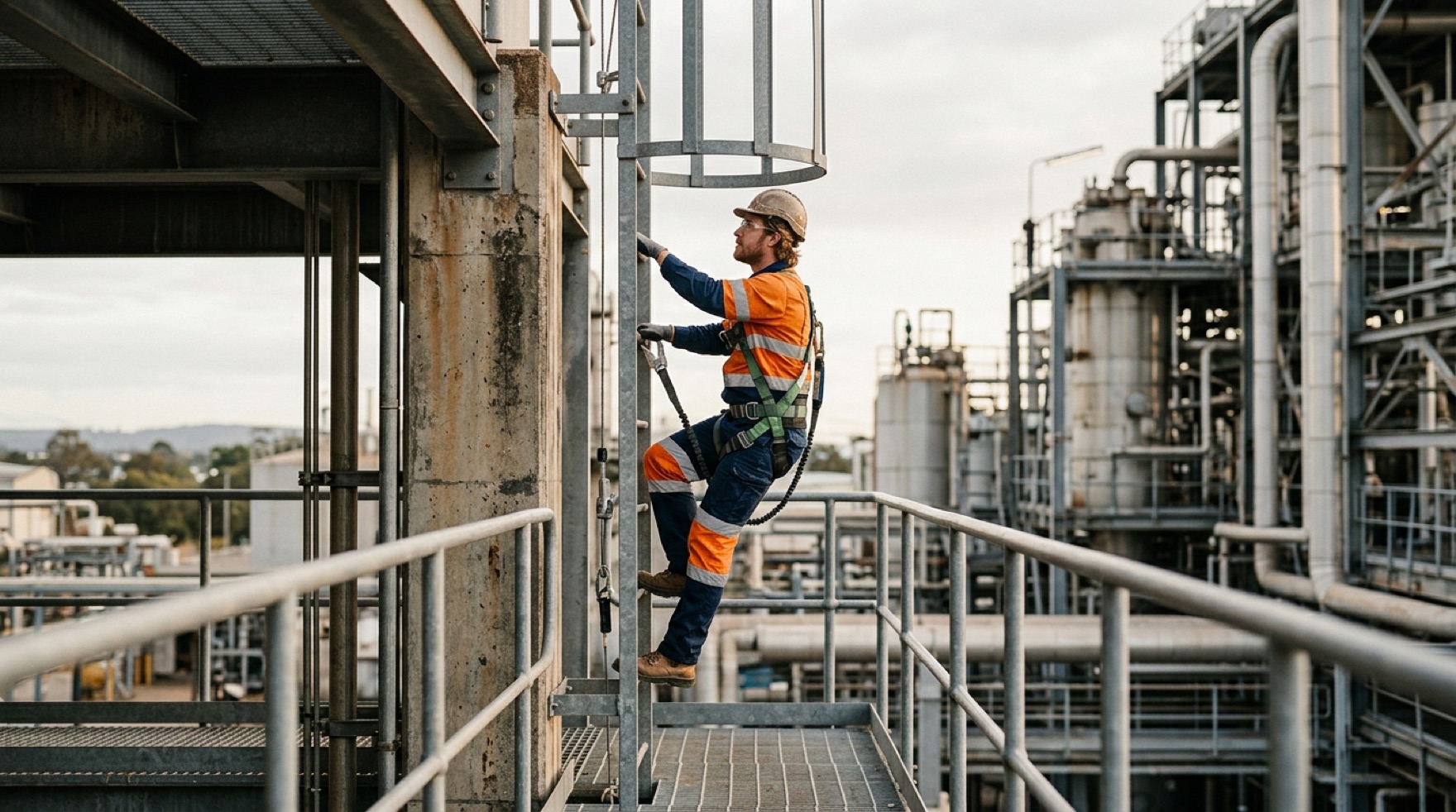
Fixed Ladders & Fall Protection for Maintenance (1910.28)
The fixed ladder to the roof, the catwalk, or the tank top is one of the most-climbed and least-examined pieces of equipment a facilities team owns. OSHA has been phasing out the cage as fall protection since 2018, with a hard deadline in 2036. Here is what 29 CFR 1910.28 requires now, what changes by 2036, and why most fixed-ladder falls happen below the height where fall protection is even required.
Facilities hazard self-assessment
Work through the fall, electrical, energy-control, and confined-space risks across the range of jobs a maintenance technician meets.
Start the assessment →Maintenance safety guides
Practical guidance on fall protection, lockout/tagout, and confined-space entry for facilities teams.
Browse the guides →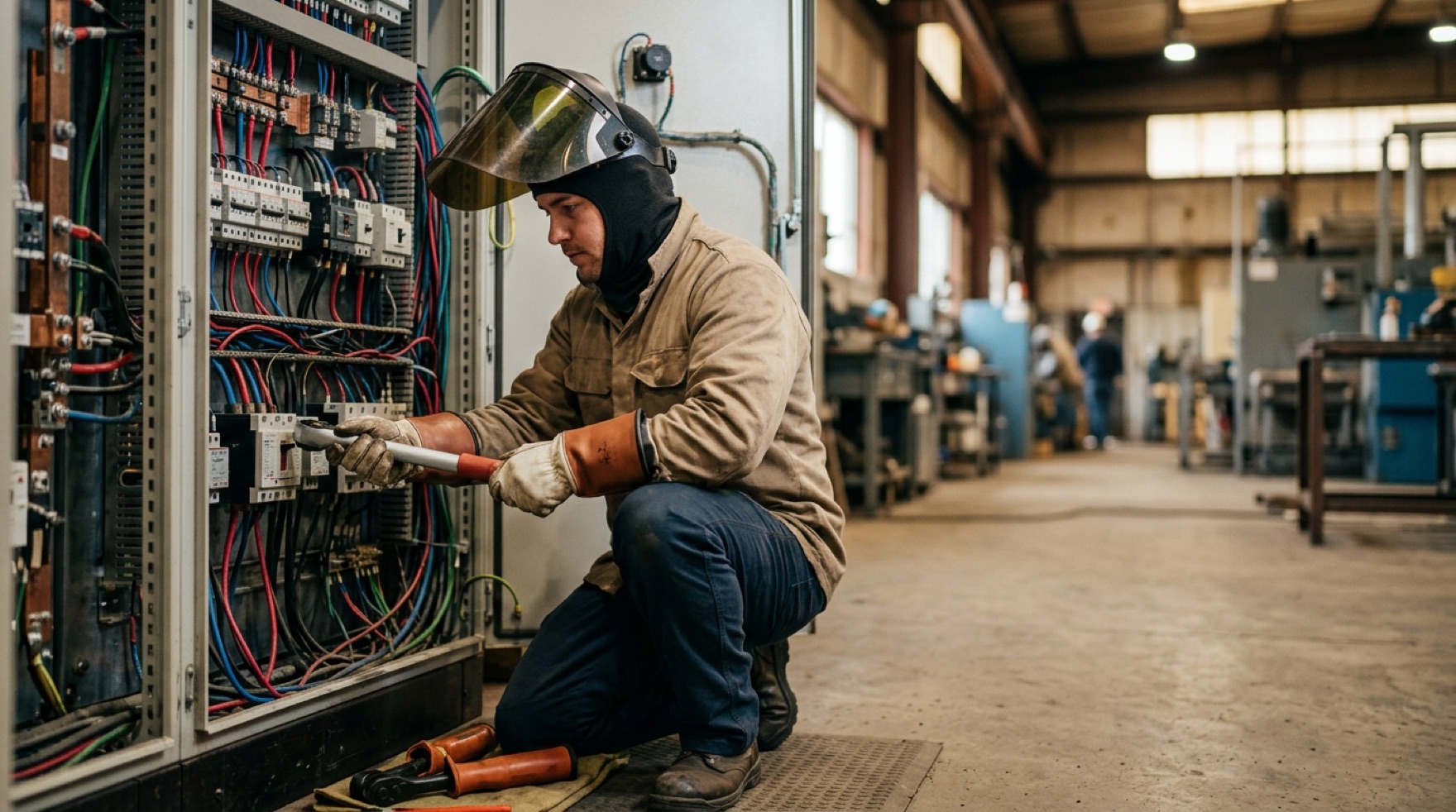
Stay ahead of safety.
New articles, free templates, and regulatory updates in your inbox. No spam — unsubscribe anytime.