Manual Freight Moving
Load, unload, and stage by hand at the dock, where the back takes the strain.
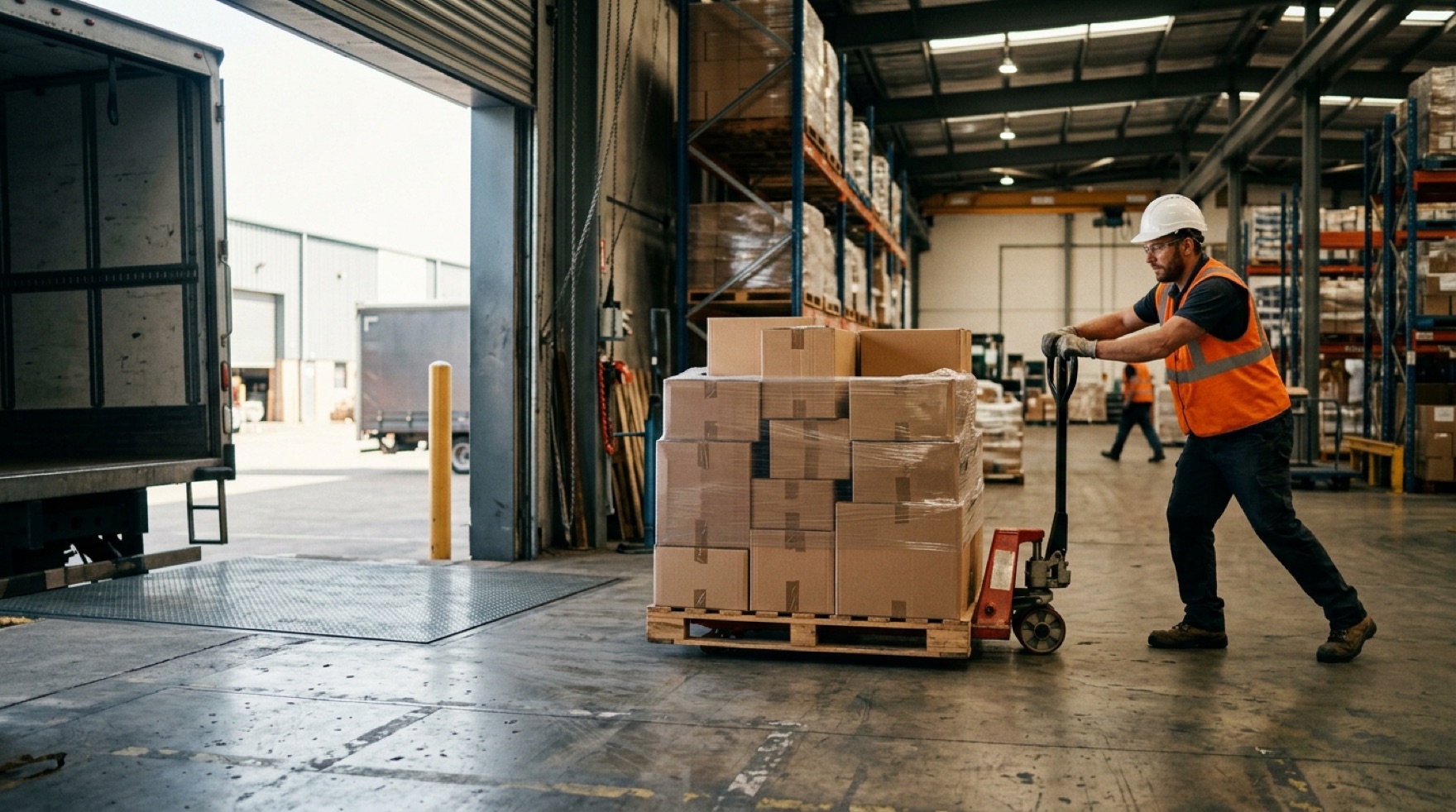
Manual freight moving is the hand-loading and unloading of trailers, containers, and staging lanes with pallet jacks, hand trucks, and raw lifting. The work is dominated by overexertion from lifting and carrying, struck-by contact from moving freight and equipment, and falls from dock edges and the gap between the dock and the trailer.
The dock is a compression point in the supply chain, and the pressure lands on the body. Trailers are unloaded by hand under time pressure, often with awkward, top-heavy, or oddly balanced freight that cannot be lifted cleanly. Overexertion from lifting, lowering, and carrying is the leading source of disabling injury in this work, and it accumulates rather than announcing itself.
The dock environment adds acute hazards to that chronic load. The dock edge is a fall of several feet, the gap to the trailer can shift if the truck is not restrained, and pallet jacks and staged freight create struck-by and pinch exposures. Controls that remove the manual handling, such as conveyors, powered jacks, and better load design, do more than any lifting-technique reminder, and dock-edge and trailer-restraint engineering is what keeps a routine transfer from becoming a fall.
The hazards, and the controls that move the needle
Ordered by the hierarchy of controls — eliminate and engineer first, then treat matting, footwear, and PPE as the layers that catch what remains.
Overexertion from manual lifting and carrying
Hand-unloading trailers means repeated lifting, lowering, and carrying of loads that are often heavy or awkwardly balanced. Overexertion is the single most costly disabling injury event, and freight handling is a leading contributor.
- Remove the manual handling with conveyors, powered jacks, and lift assists
- Design loads to a manageable weight and provide handholds
- Screen tasks with the NIOSH Lifting Equation and set weight limits
- Provide team-lift rules and rotation for heavy work
- Train handling technique as a supporting layer, not the primary control
Falls from the dock edge and trailer gap
An open dock is a fall of roughly four feet, and the gap between the dock and the trailer can open without warning. Falls from the dock edge cause fractures and head injuries that engineering controls prevent.
- Fit dock levelers, bridge plates, and edge protection
- Use trailer restraints or wheel chocks to stop trailer creep
- Provide barriers and gates at unused dock openings
- Maintain lighting and mark the dock edge clearly
- Keep the dock plate and approach free of debris and ice
Shifting freight and moving equipment
Freight stacked in a trailer can shift and fall when the doors open or the load is disturbed, and pallet jacks and hand trucks move heavy loads through tight space. Struck-by and caught-between injuries follow.
- Open trailer doors clear of the potential fall line and inspect the load
- Stage and stack freight for stability, not just density
- Keep travel paths clear and control pallet-jack speed on grade
- Set foot-clear rules when lowering and positioning loads
- Wear safety footwear rated for the drop hazard
Pinch points at plates, doors, and jacks
Dock plates, overhead doors, and pallet-jack handles create pinch and crush points during routine transfers. These are frequent, lower-severity injuries that guarding and technique reduce.
- Guard and maintain overhead doors and dock levelers
- Keep hands clear of pinch points on plates and jack wheels
- Provide gloves suited to the handling task
- Train safe positioning around jack handles and door tracks
- Report and repair damaged plates and door hardware
The programs that anchor the floor
Dock safety and trailer restraint
No hand or truck enters a trailer until it is restrained or chocked and the dock plate is secure. Trailer creep and early departure are leading causes of dock falls, and a restraint interlock removes the judgment call.
Manual handling assessment
Freight tasks are screened with the NIOSH Lifting Equation so load limits, powered equipment, and team-lift rules are set against the actual demand rather than added after a back injury.
Load inspection at the door
Every trailer is opened clear of the fall line and the load is checked for shift before anyone reaches in. A load that has moved in transit is stabilized before hand-unloading begins.
In-depth guidance
View all 4 →
Safe Manual Lifting for Pickers: the NIOSH Lifting Equation
The NIOSH Lifting Equation turns a vague question, is this lift too heavy, into a number you can act on. It starts from 51 pounds, cuts that limit down for every way the real lift is worse than ideal, and compares the result to what the worker actually lifts. Here is how to run it on a pick task, step by step, with a worked example and what the lifting index is telling you.
Manual Material Handling & Back-Injury Prevention
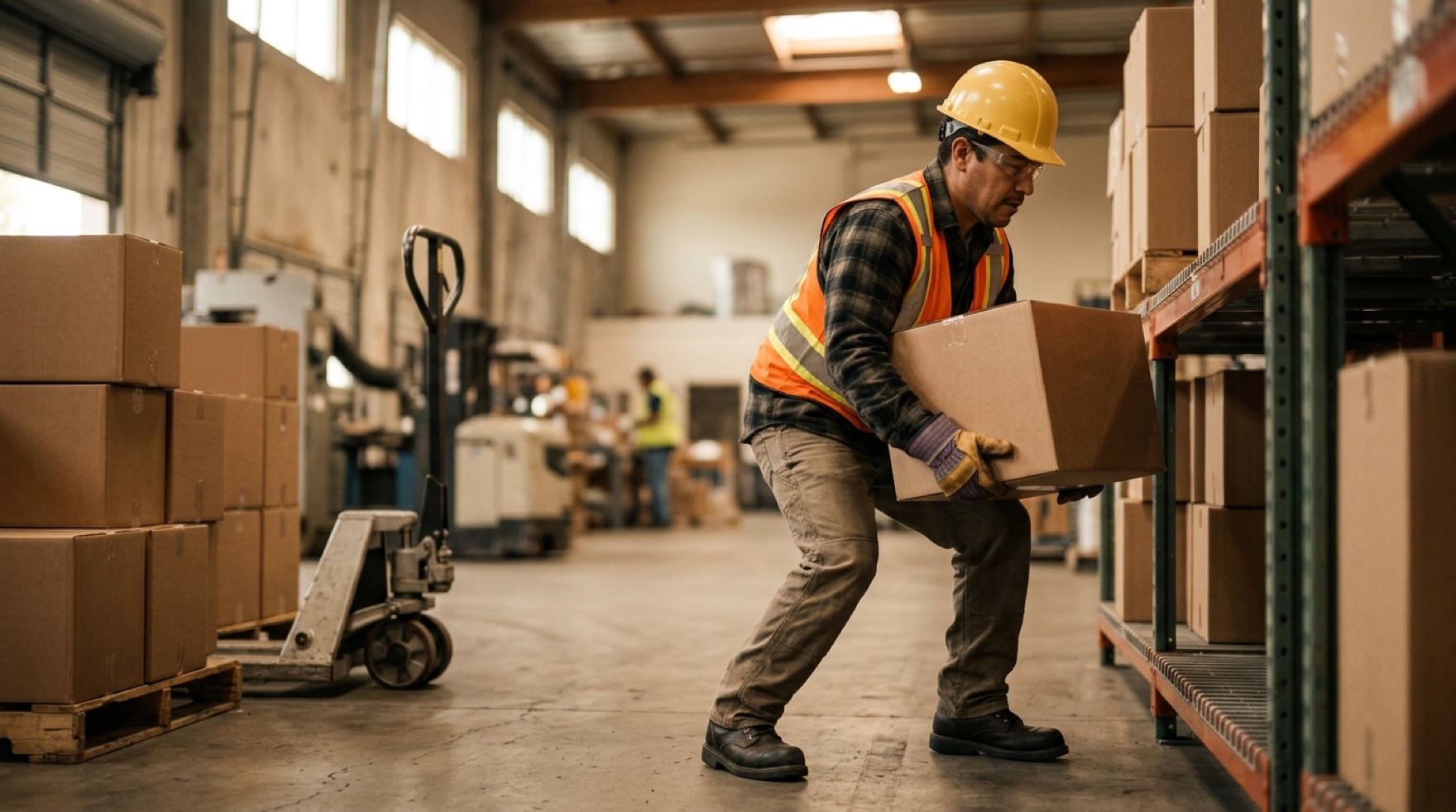
OSHA sets no maximum weight a worker is allowed to lift, which surprises people who assume there is a legal ceiling. What exists instead is the NIOSH Lifting Equation: a way to calculate a Recommended Weight Limit for a specific lift, and a Lifting Index that tells you when a task is loading the back beyond what most people can handle. Here is how it works, and why the fix is to redesign the lift rather than coach the lifter.
Loading Dock Safety: Dock Plates, Levelers & Trailer Restraints
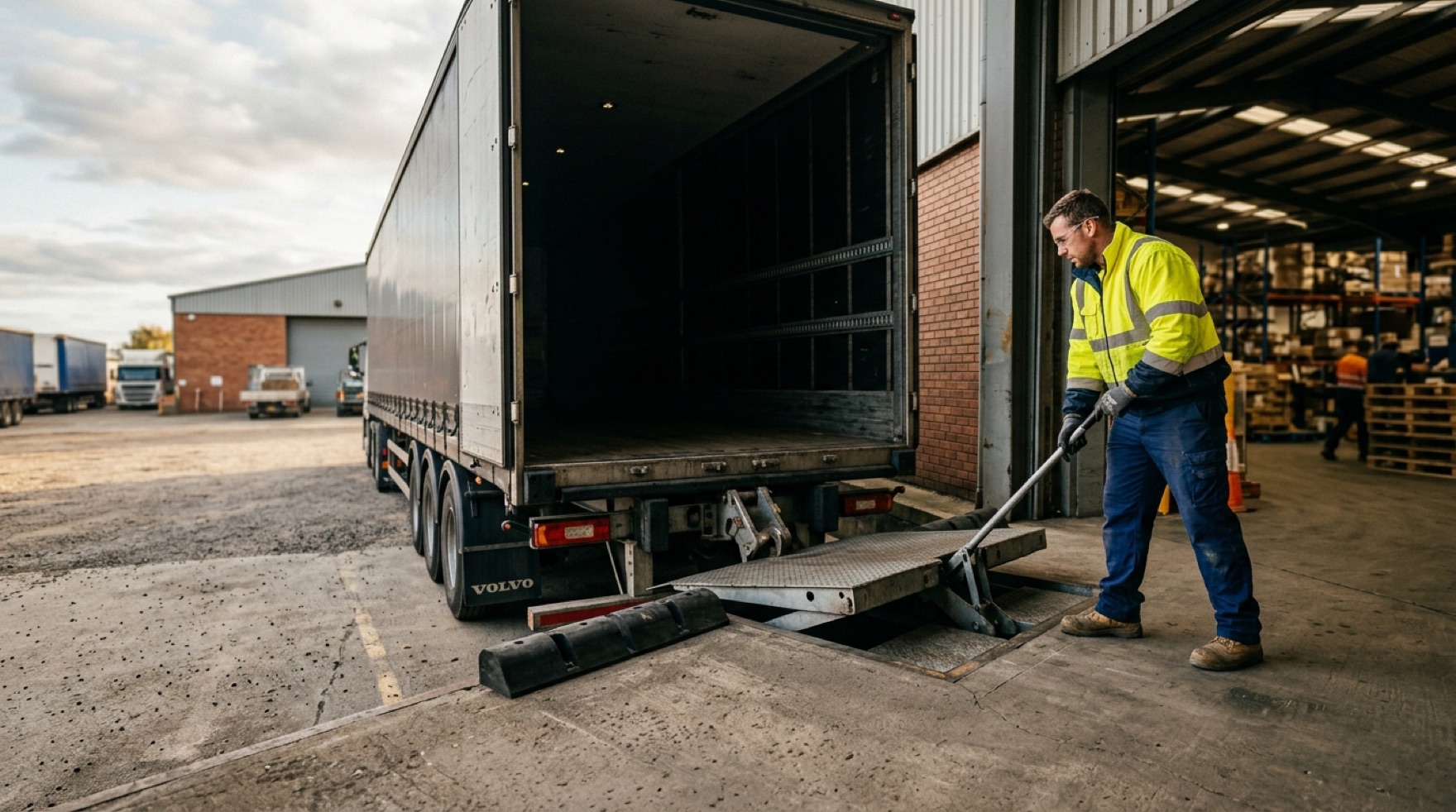
Almost every serious loading dock injury happens in the same place: the gap between the dock and the trailer. A trailer creeps or pulls away, a dockboard shifts, or a truck runs off an unguarded edge. This is the checklist for closing that gap, built around the three OSHA standards that govern it: 29 CFR 1910.176, 1910.26, and 1910.178(k).
Safe Use of Hand Trucks & Dollies: A Step-by-Step Guide
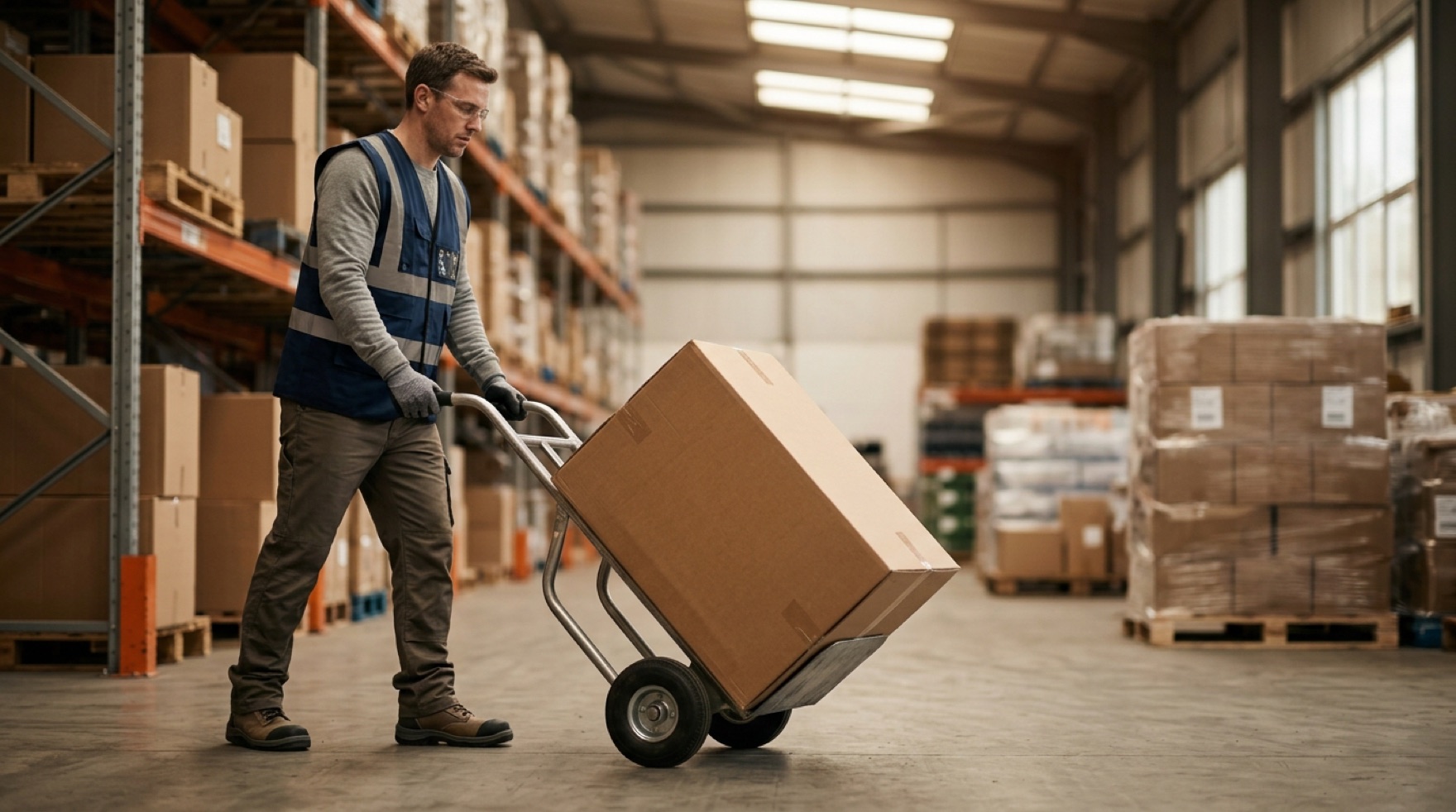
A hand truck or dolly exists to keep a load off your back, but used badly it trades a lifting injury for a strain, a crushed foot, or a runaway load on a ramp. The technique that keeps it safe is specific: stack low and secured, push instead of pull, keep the force manageable, and control the route. Here is how to do each step.
Dock and freight self-assessment
Review your lifting demands, dock-edge controls, trailer restraints, and pinch points against the freight-handling hazard pattern.
Start the assessment →Manual handling guides
Practical guidance on cutting manual handling with powered equipment, load design, and dock engineering.
Browse the guides →
Stay ahead of safety.
New articles, free templates, and regulatory updates in your inbox. No spam — unsubscribe anytime.