The short version: A parts plant with 230 people had workers lifting radiators, cores, and charge-air coolers by hand, some weighing 50 to 120 pounds, off carts and onto a conveyor. They added a couple of lift-assist machines, coached supervisors to actually watch how people lifted, and set a hard rule that anything over 35 pounds gets two people or a machine. Their rate of sprains and strains fell 46 percent in about two years. The moves were small, specific, and repeatable.
Most ergonomics wins do not come from a moonshot. They come from someone looking at a job that has always been hard on backs and shoulders and deciding it does not have to stay that way.
Here is one that has real numbers behind it, documented by OSHA in its own success-story write-up, so you are not taking a vendor's word for it.
The job that was hurting people
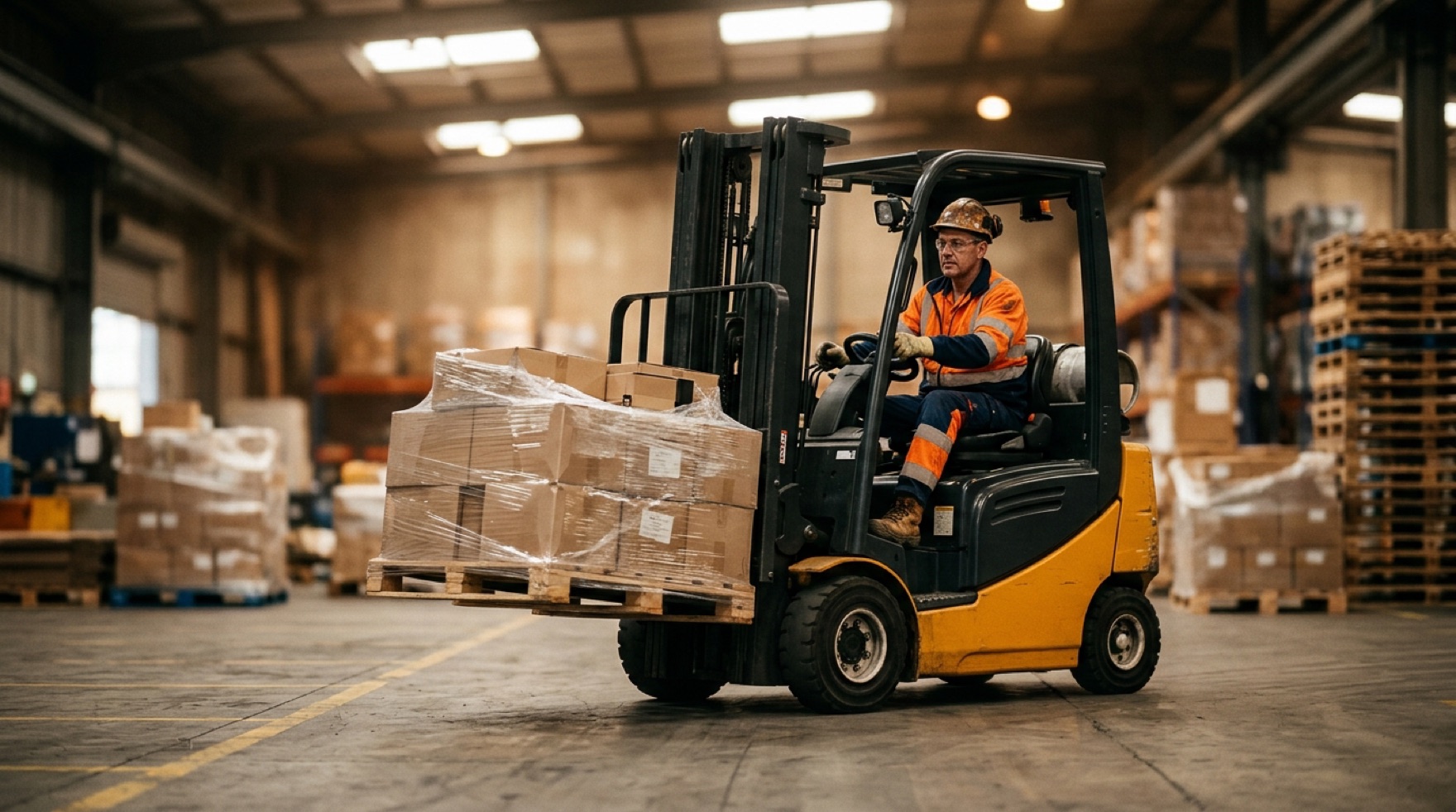
At TitanX Engine Cooling, a motor vehicle parts manufacturer, the trouble spot was the paint line. Radiators, cores, and charge-air coolers had to move from carts onto a conveyor feeding the powder paint booth. The parts ran from 50 to 120 pounds. People were lifting them by hand, one at a time, no machine to help and no rule that a heavy part meant a second set of hands.
You can picture how that goes. A shift of that, day after day, and the sprains and strains start showing up. This is the most common kind of injury in this kind of work, and the plant was living it.
What makes the story worth telling is not that they had the problem. Plenty of places do. It is what they did next.
What they changed
They did not rebuild the line. They made a short list of practical moves and worked through it.
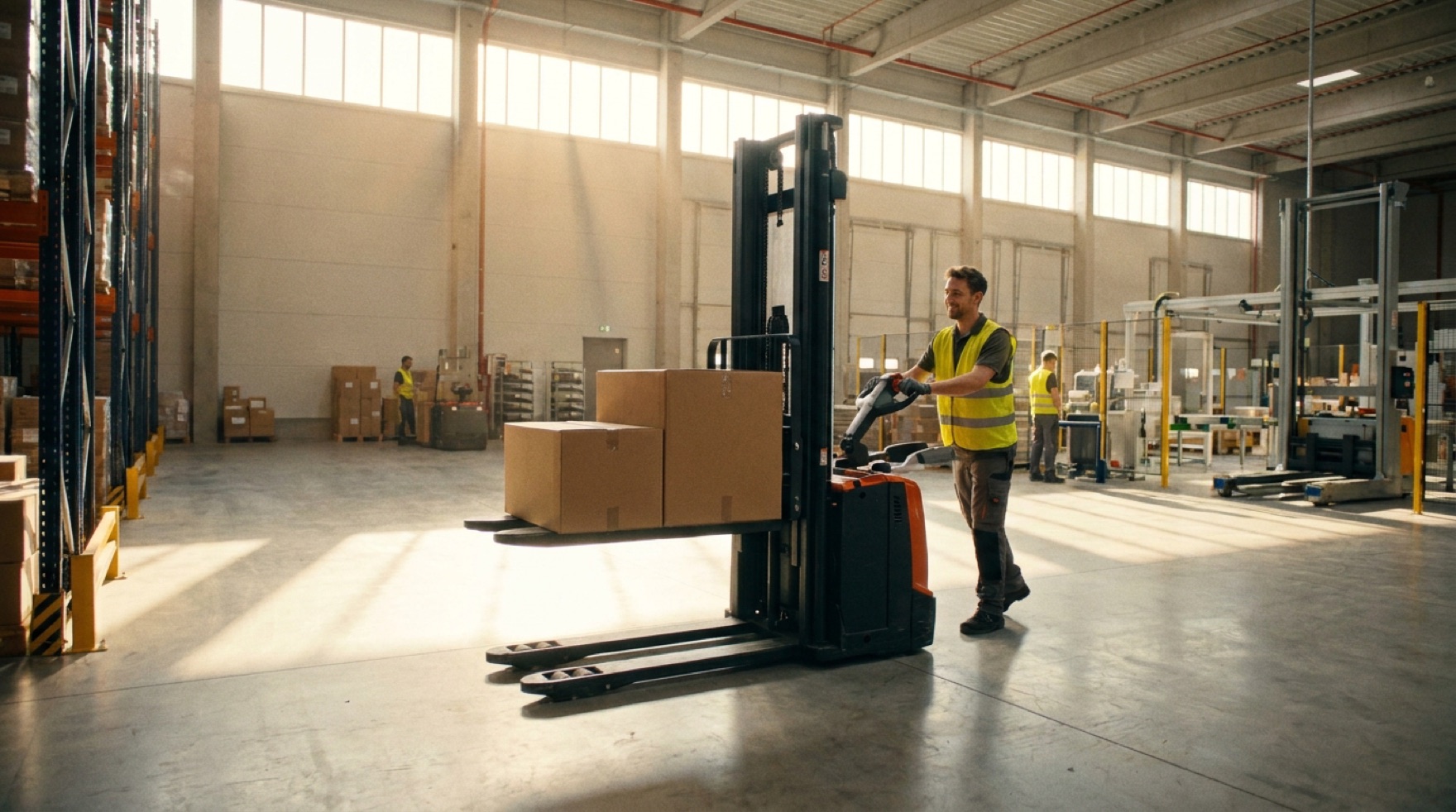
First, the machines. They brought in an electric pallet jack to take the push and pull out of moving loaded carts, and they added a second tilter on the powder paint line so parts could be angled up to the worker instead of the worker bending down to the part. Two pieces of equipment, aimed at the two motions doing the most damage.
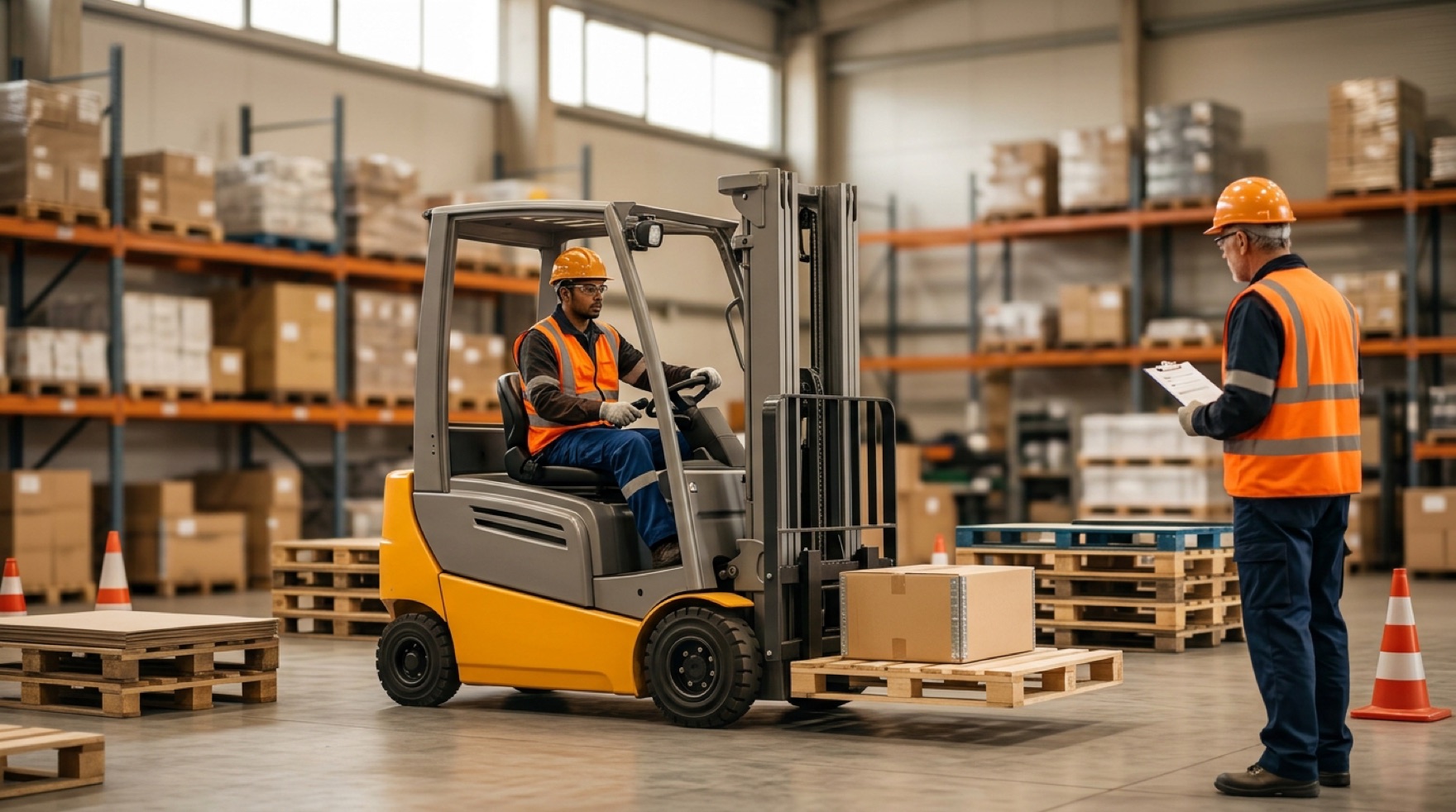
Second, a rule with a number on it. Anything over 35 pounds now gets two people or a lift assist, and they adjusted staffing so that was actually possible on the floor, not just written in a binder. A weight threshold everyone can remember beats a vague "lift safely" any day.
Third, they put supervisors back in the game. Instead of a one-time training video, they ran a safe-lifting train-the-trainer session so front-line supervisors could watch how people were really lifting and coach it in the moment. That is the part that tends to stick, because the coaching keeps happening after the trainer leaves.
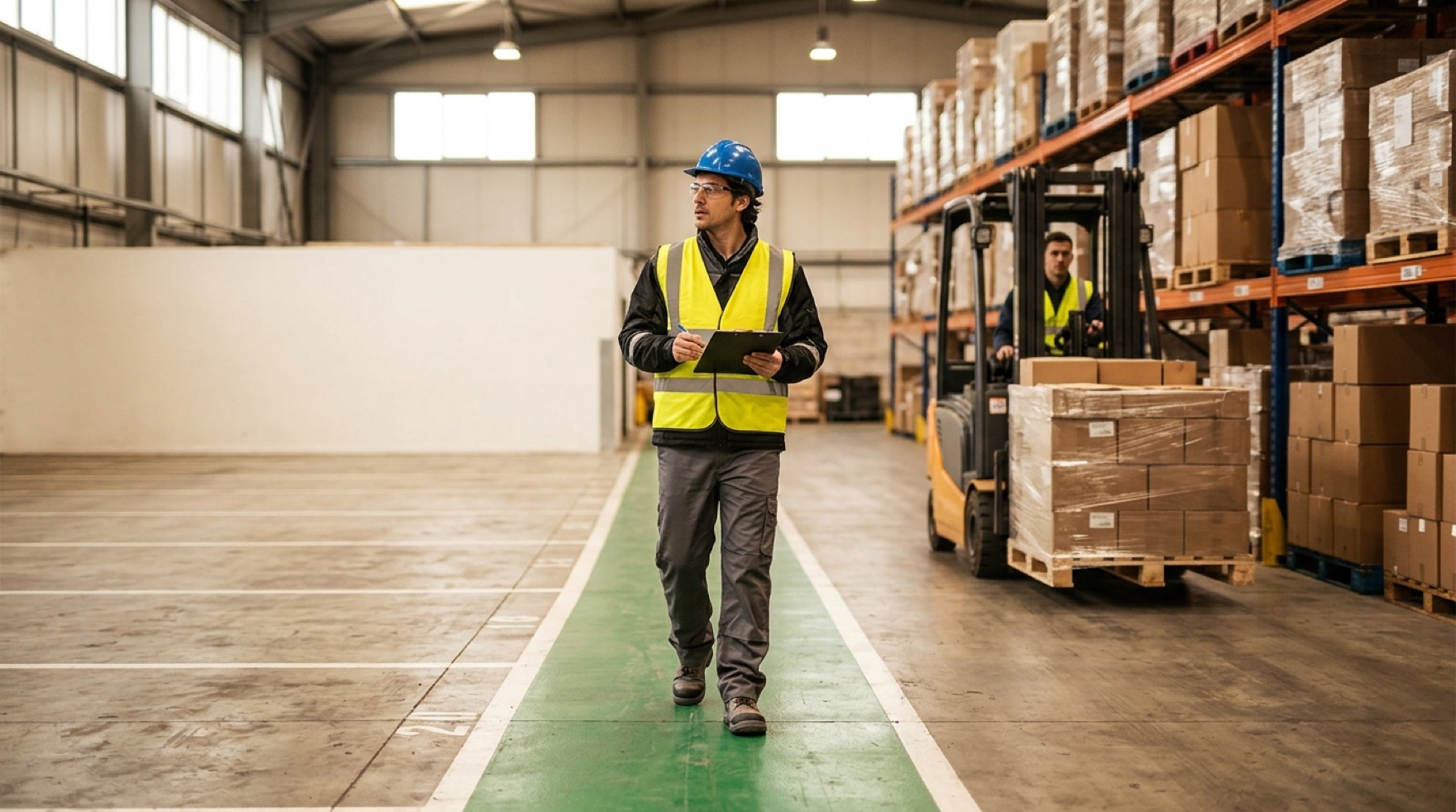
They also folded a few ergonomics questions into the checklist they already used for routine safety walk-throughs, so manual-handling risks got looked at on a regular cadence rather than only after someone got hurt. And they brought union members into the safety meetings, which matters more than it sounds. The people doing the lifting usually know exactly which parts and which reaches are the worst, long before any assessment says so.
What it returned
The plant tracks a measure called the DART rate, which counts injuries serious enough to keep someone off the job, on restricted duty, or moved to another task. It is a good yardstick because it only counts the injuries that actually cost the worker and the operation something.
Their overall DART rate went from 5.1 in 2022 to 3.5 by the middle of 2024, a 31 percent drop. The slice of that rate tied specifically to musculoskeletal injuries, the sprains and strains, fell from 3.9 to 2.1 over the same stretch. That is a 46 percent cut in the exact injuries the job was producing.
Almost half. From a pallet jack, a tilter, a weight rule, and supervisors paying attention.
What to try, and why it works
| What to try | Why it works |
|---|---|
| Set a weight number that triggers a lift assist or a second person | A clear threshold like "over 35 pounds" is easy to remember and easy to hold people to, unlike "use good judgment" |
| Aim equipment at the specific motion that hurts | A tilter fixes bending to the part, a powered jack fixes push and pull; naming the motion tells you which tool to buy |
| Train supervisors to coach lifting, not just run a video | In-the-moment coaching keeps happening after the training ends, which is where habits actually change |
| Add manual-handling checks to walk-throughs you already do | You catch risks on a schedule instead of waiting for an injury to point them out |
| Ask the people doing the lifting which parts are worst | They know the bad reaches and heavy parts before any assessment does, and being asked makes them partners in the fix |
Why this one travels
The reason this story is worth passing around is that nothing in it is exotic. A warehouse moving totes, a distribution center loading trailers, an assembly cell handing off subassemblies, they all have the same shape of problem: a heavy thing, a bad motion, and no help. The fix has the same shape too.
You do not have to solve the whole floor at once. Pick the one job that is quietly hurting people, put a number on the weight, aim a tool at the worst motion, and get a supervisor coaching it every shift. Then measure whether the strains go down. If a 230-person parts plant can take nearly half the sprains out of its hardest job with moves that plain, the odds are good your worst job has a similar answer waiting.