The short version: Safety wearables are sensors a worker wears or carries. The common ones watch four things: posture and lifting, heat strain, how close a body is to a forklift or machine, and signs of fatigue. The device is the easy part. The value comes from using the data to find the tasks and times that need fixing, not to keep tabs on individual people. Get that backward and the crew stops wearing them.
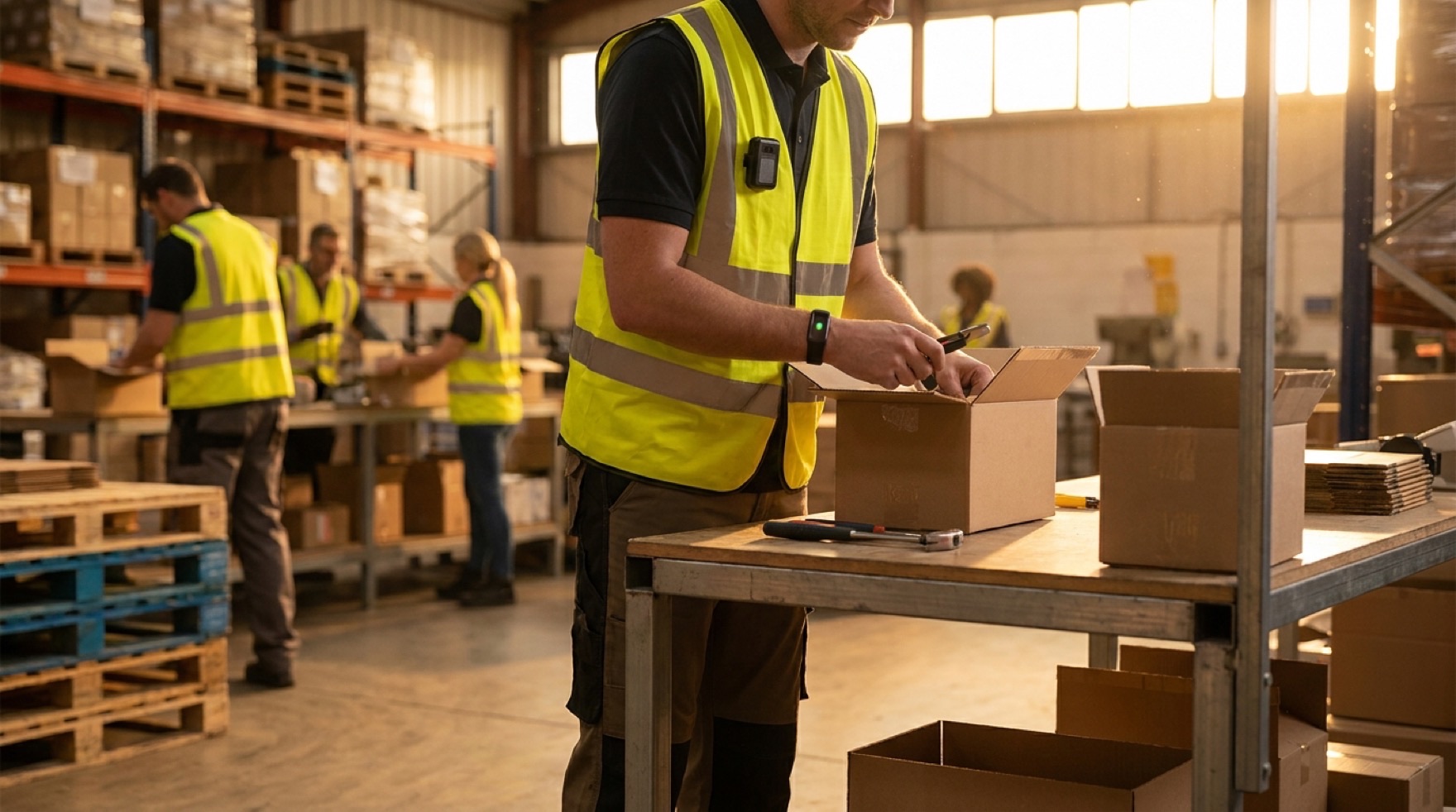
A safety wearable is just a sensor small enough to strap to a wrist, clip to a belt, or tuck into a vest. It counts, times, and measures things a clipboard never could, then sends the numbers somewhere. That is the whole trick.
The sales demo is easy to like. The harder questions come after everyone leaves the room. What does this actually measure? What should you do with the readings? And will the crew still be wearing it a month from now?
The four kinds worth knowing
Most workplace wearables fall into a handful of jobs. A 2024 U.S. Government Accountability Office spotlight on wearable technologies in the workplace sorts them into supporting devices, monitoring devices, training devices, and tracking devices. In plain terms, that lines up with four practical uses.
Posture and lifting sensors. A small motion sensor on the back or torso tracks how often a worker bends, twists, and reaches, and how far. It is an ergonomics tool. The point is not to catch one person lifting badly. It is to see which stations force awkward motions hundreds of times a shift.
Heat strain monitors. Wrist or chest bands read heart rate and skin temperature and use those to estimate heat strain. As a 2023 piece in AIHA's The Synergist explains, most devices estimate core temperature indirectly through proprietary algorithms, and they support prevention rather than replacing signs, symptoms, and standard measurement tools. They are an early warning, not a diagnosis.
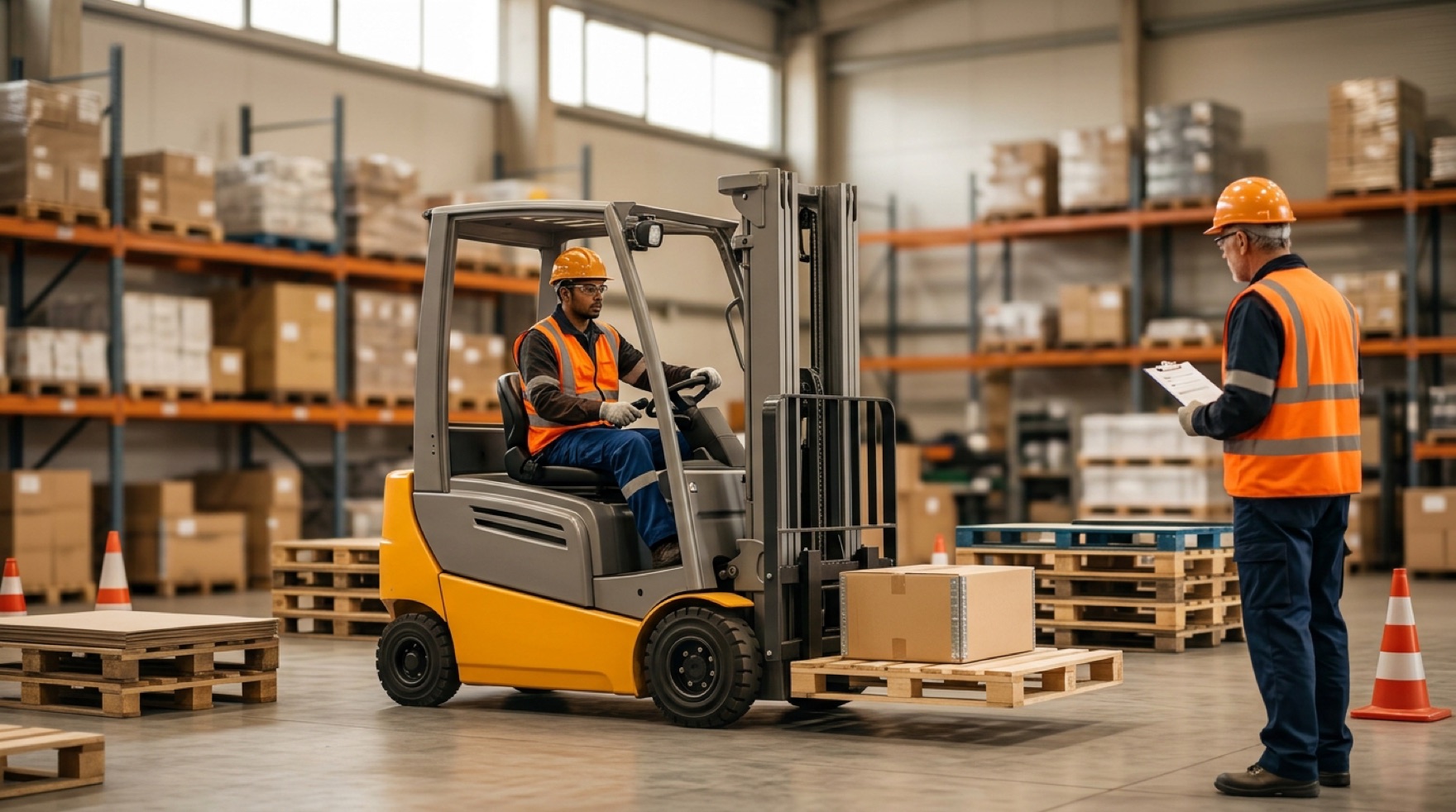
Proximity tags. A tag on a worker and a reader on a forklift or machine sense when the two get close, then warn both sides with a light, a beep, or a buzz. NIOSH stood up its Center for Occupational Robotics Research partly to study exactly this kind of safe interaction between people and the machines and vehicles moving around them.
Fatigue and alertness monitors. Some bands and caps watch for the microsleeps and reaction lags that show up on long shifts and overnight work. They are most useful where a lapse of a few seconds carries real weight, such as operating a lift truck or feeding a machine.
Match the tool to the readout
| Wearable | What it measures | What it is good for |
|---|---|---|
| Posture / lifting sensor | Bends, twists, reaches, repetition | Finding the stations and tasks that overload backs and shoulders |
| Heat strain band | Heart rate, skin temperature, estimated strain | Early warning to slow down and rest before heat illness sets in |
| Proximity tag | Distance between a person and a vehicle or machine | Cutting close calls in traffic aisles and around powered equipment |
| Fatigue / alertness monitor | Drowsiness, reaction lag, microsleeps | Flagging risky shifts and rotations, especially overnight |
The data is about tasks and times, not people
Here is the mistake that sinks most programs. A wearable produces a stream of numbers tied to a name, and the temptation is to read it as a scorecard for that worker. That is the wrong question, and it is the one that ends the program.
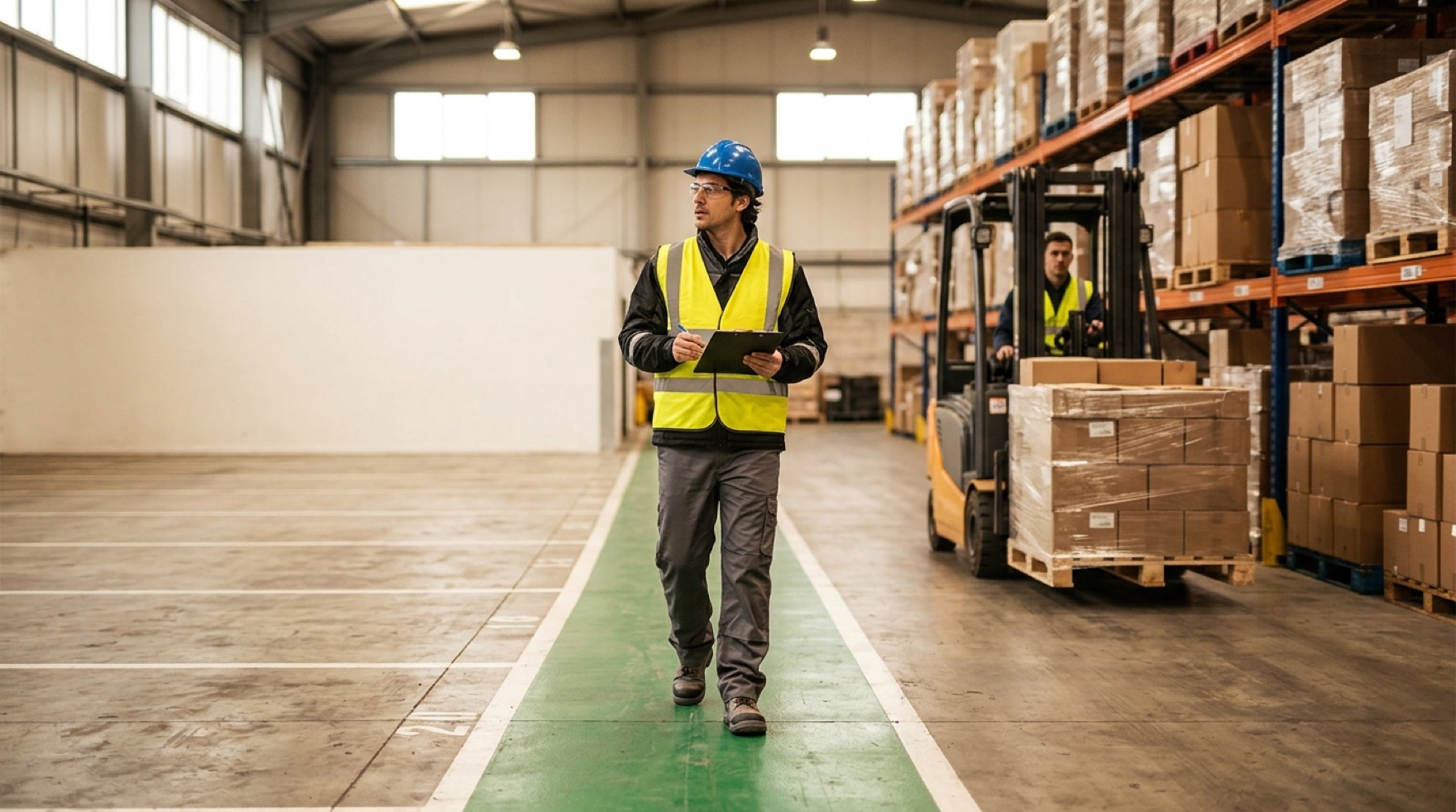
The right question is where and when. Roll the readings up across the crew and patterns fall out. One picking station shows twice the twisting of the others. Heat strain climbs every afternoon on the same line near the ovens. Close calls cluster at one blind corner between 6 and 7 a.m. None of that is about who wore the sensor. It is about what the work is asking of them.
Once you see the pattern, you fix the pattern. Raise the pallet so nobody bends to the floor. Move the water and the rest breaks to match the afternoon heat, not the clock. Reroute traffic at the blind corner. The individual readings were only ever the raw material; the task is the thing you change.
Read the other way, the same data becomes surveillance, and the readings that used to tune the work now just rank the workers. That is a choice you make, not something the sensor decides.
Privacy and buy-in are the whole ballgame
The GAO spotlight is blunt about the catch. Workers worry about being tracked, and constant monitoring can raise stress, which can raise the very risk the wearable was meant to lower. A device the crew resents is a device that comes off in a pocket by mid-shift.
The Synergist piece makes the same point from the industrial hygiene side: worker consent, data privacy, and involving people in choosing the device are not afterthoughts. They are the conditions that make the whole thing work.
So decide the boundaries out loud before the first sensor goes on. Say what gets measured, say who sees individual data (ideally almost no one) and who sees the anonymized patterns. Say plainly that the goal is fixing tasks, not scoring people, and then act like it when the first awkward reading lands on a manager's desk.
A sane way to start
Pick one real problem: a picking area that chews through backs, a hot line in July, a traffic aisle with too many close calls. Put sensors on the volunteers who work it, for a few weeks, with a clear end date.
Then close the loop where everyone can see it. Show the crew what the data found, name the change you are making because of it, and make the change. That is the moment a wearable earns its keep: not the dashboard, but a task that got easier because the numbers pointed at it.
The sensor is cheap and getting cheaper. What is scarce is the discipline to point it at the work instead of the worker, and to do something with what it finds.