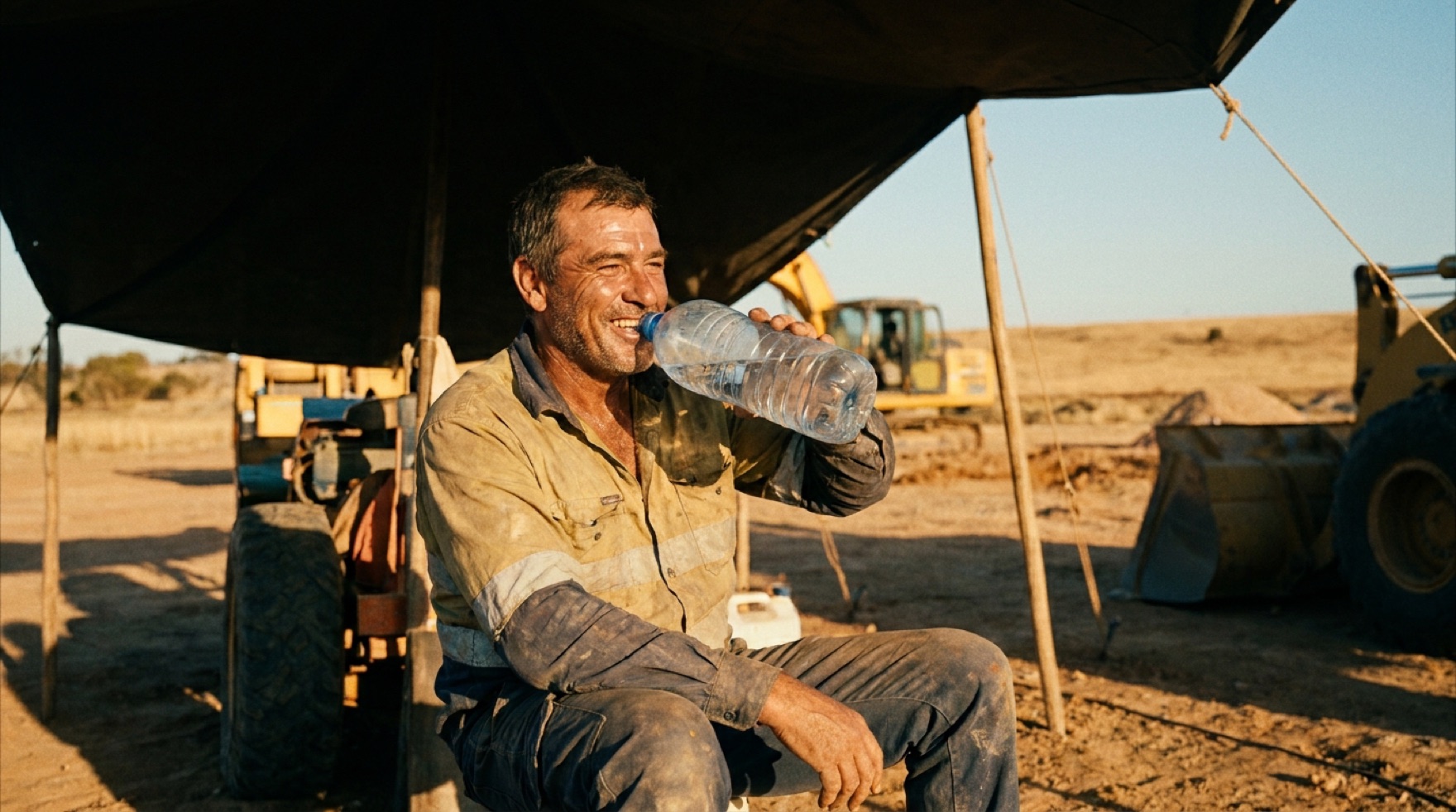
Our position: Build the heat plan now, before the hottest stretch of your year, instead of waiting for someone to require it. Heat illness hits workers during the exact weeks you can least spare them, the ones it hits are almost always the newest, and the controls that prevent it are cheap enough to start this week. There is no national heat rule yet, and several states already require a program, so "waiting for OSHA" is not really waiting. It is choosing to run another summer without protection you could have had.
Heat takes your crew when you can least afford it
Every operation has a busy season, and for a lot of them it lands in the hottest months of the year. That is the cruel timing of heat illness. It does not show up in the slow weeks. It shows up when the orders are stacked and you need every hand you have.
One worker going down to heat is never just one worker. It is the ambulance call that stops the line. It is the claim that follows, the days that person is out, and the rest of the crew doing the same hot work a hand short. That last part is how the second heat case happens.
Seen that way, a heat plan is not a paperwork chore. It is how you protect the people who keep the place running during the weeks it can least afford to lose them.
The ones who go down are almost always new
Here is the fact that should shape the whole plan. OSHA reports that nearly half of heat-related deaths happen on a worker's very first day, and more than seventy percent happen in the first week.
That is not random. A body that has not worked in heat lately has not adjusted to it. Send a brand-new hire, a returning worker, or a temp straight into a full shift on a hot roof or a hot line, and you have put the least-prepared person in the most exposed spot.
The good news is that this is the most fixable risk on the list. Because the danger clusters in those first days, a short ramp-up covers almost all of it. Give a new hire, a returning worker, or a temp a lighter heat load to start and build it up over the week, and the body gets the time it needs to adjust. Pair that with cool water within reach, shade a step away, and rest as the heat climbs, and the riskiest stretch of the job turns ordinary.
The controls are cheap, and you already own them
None of this calls for a budget fight or a consultant. The measures that prevent heat illness are the plainest tools in the building.
Ease new people in. Give a first-week worker a lighter heat load and build it up over several days instead of dropping them into a full shift on day one. This is the single highest-return thing on the list, because it protects exactly the workers most likely to go down.
Keep cool water within reach, not across the yard. Give people shade or a cool spot they can step into without asking. Let breaks get longer as the heat climbs.
And teach supervisors to read the early signs: the worker who has gone quiet, stopped sweating, or turned clumsy. That is the moment to pull someone out, before a rough afternoon turns into a hospital trip. Write down who calls for help and how, and walk through it once before you need it. The gap between a collapse and real care is measured in minutes, and a plan is what closes it.
Waiting for a rule is a decision too
It is tempting to hold off until the requirements are spelled out. But the hazard does not wait for the paperwork, and the calendar does not care whether a rule is final.
The workers still do the same hot work. The first-day risk still applies. And if you run crews in one of the several states that already require a heat plan, the choice has already been made for you.
The honest way to see it is this: not having a plan is not neutral. It is a decision to accept a risk you already understand, taken on behalf of people who never got a vote.
Start before the peak
If you do a few things before the next hot stretch, do these.
Put new and returning workers on a real acclimatization schedule, because that is where the deaths cluster. Make water, shade, and rest the default rather than something a worker has to request. Give supervisors permission to call a cool-down without checking upstairs first, because the person on the floor sees the trouble before you do. And write the emergency steps down, so nobody is improvising during the worst ten minutes.
Heat illness is one of the most preventable serious hazards a worker faces. The prevention is sitting on the shelf right now, it costs almost nothing, and it is ready the day you decide to use it. That decision is the only thing standing between your crew and a bad summer.