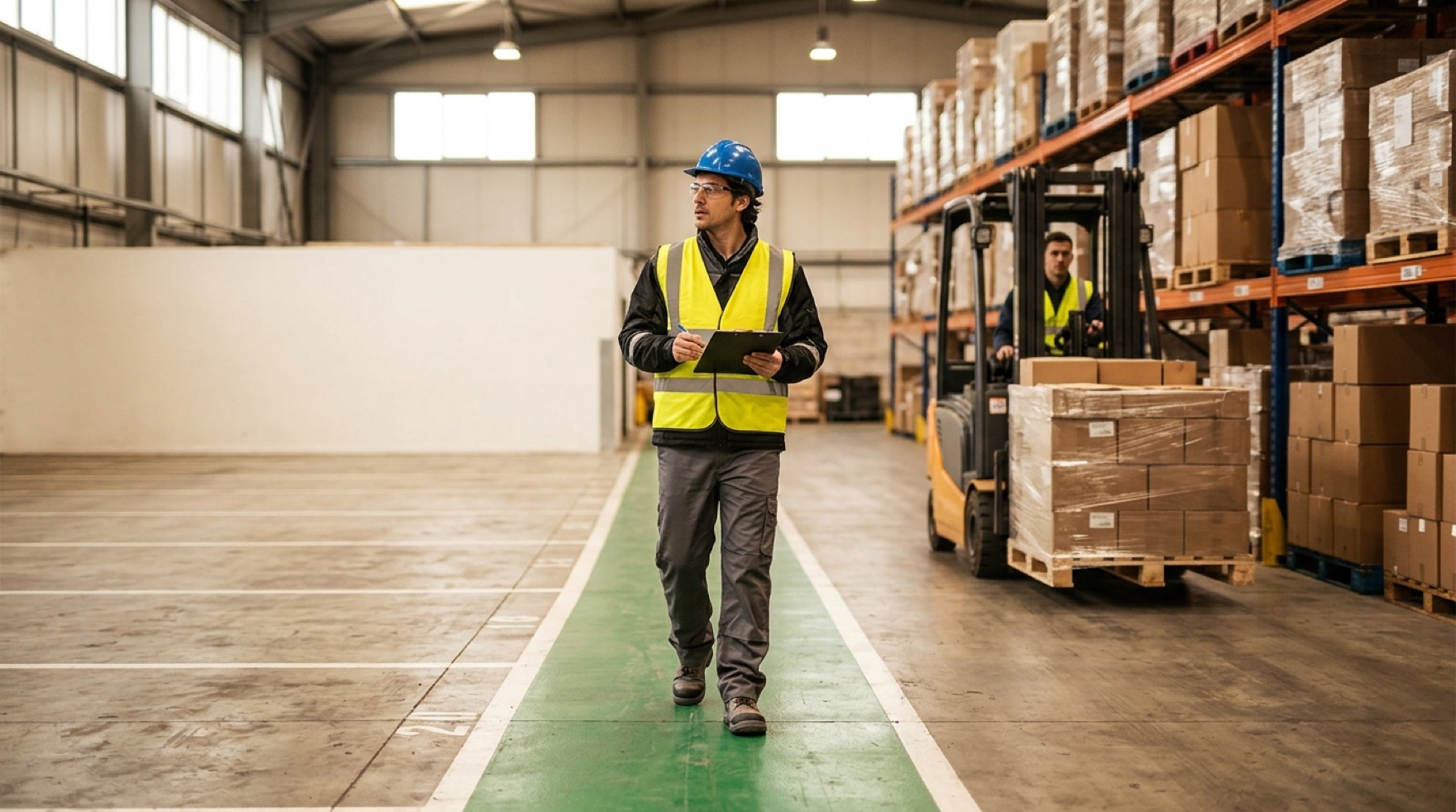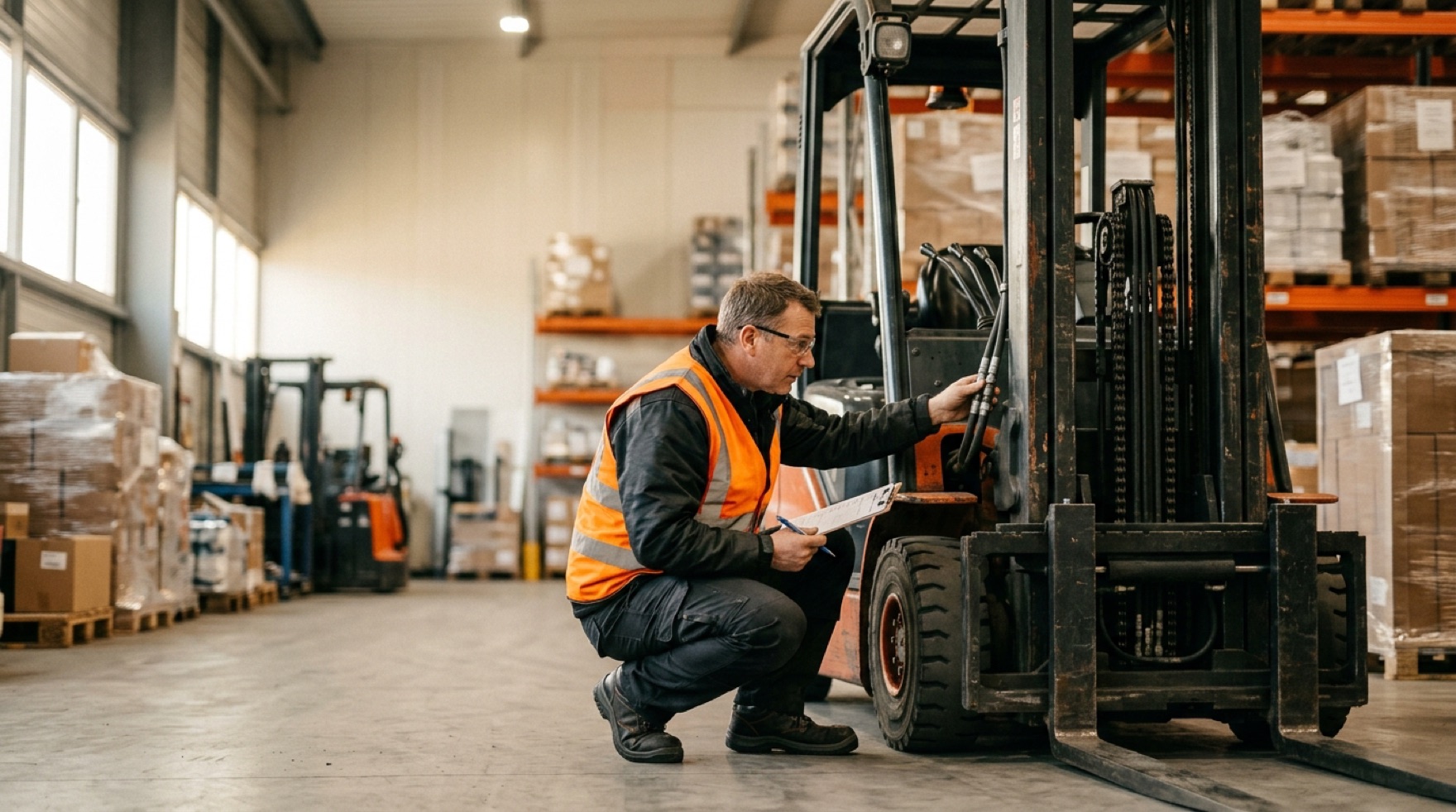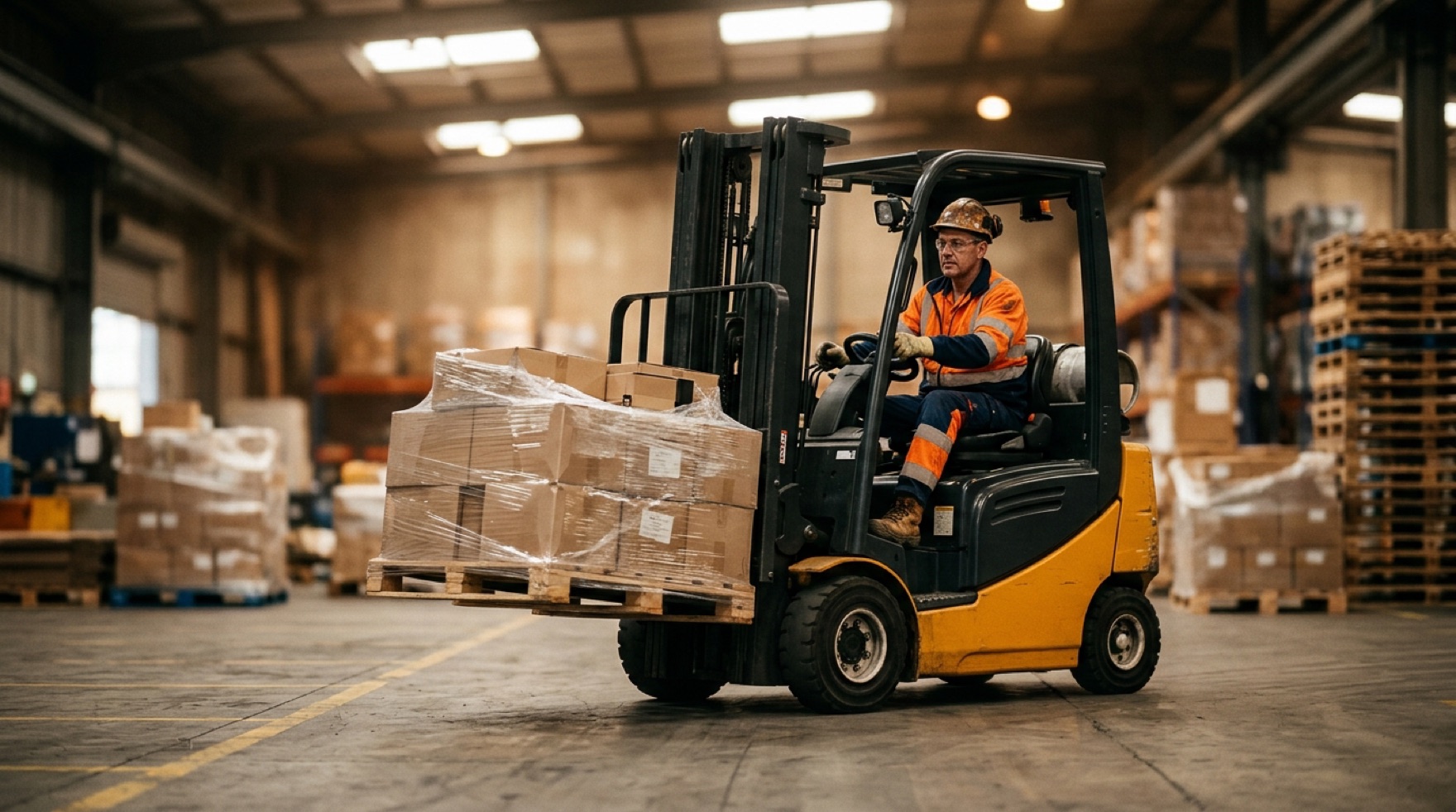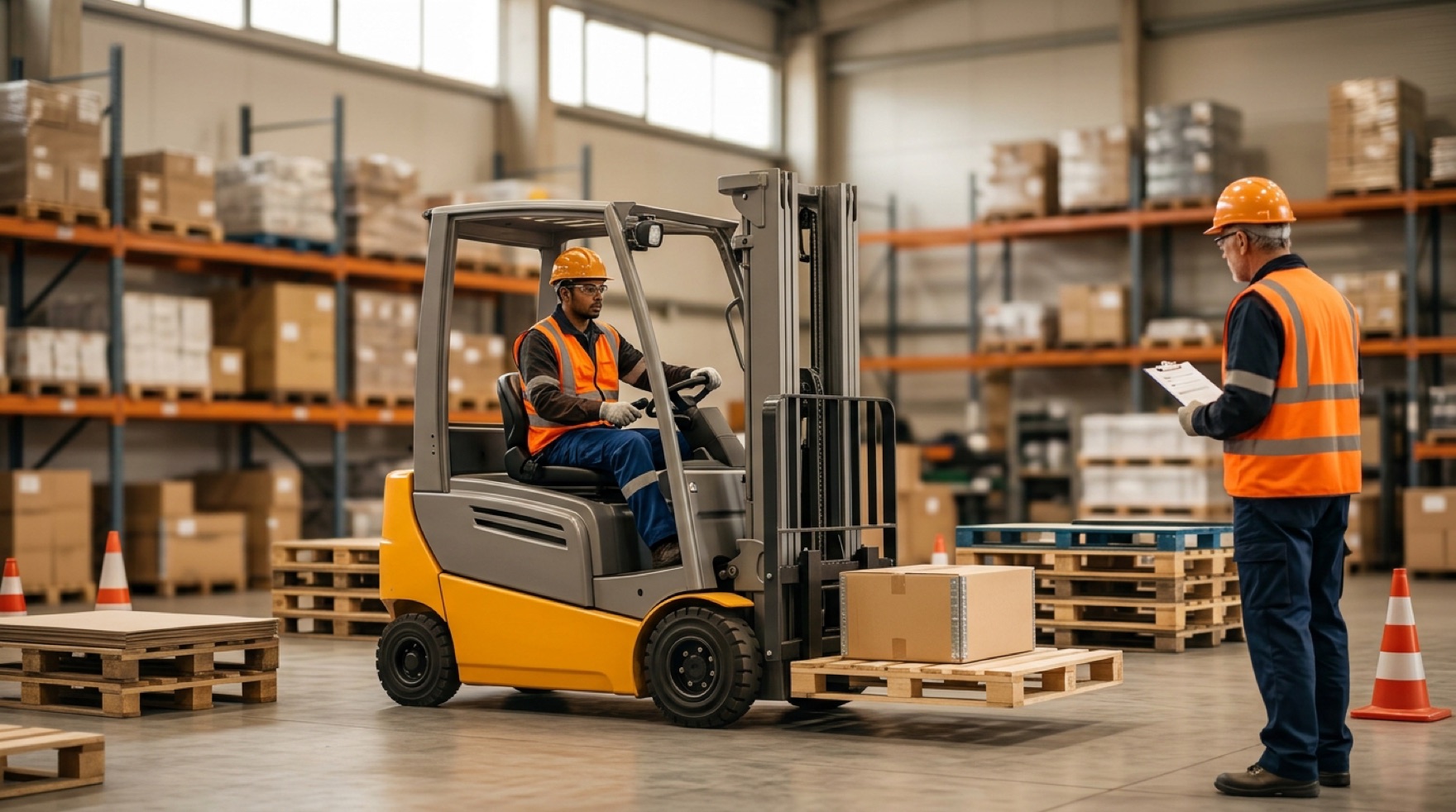
The short answer: Canada has no single national forklift standard the way the US has 29 CFR 1910.178. Occupational health and safety is split by jurisdiction: most employers fall under their province's or territory's OHS act and regulations, while federally regulated workplaces follow the Canada Labour Code Part II and the COHSR. Provincial rules generally require that a powered lift truck be operated only by a "competent" or "authorized" worker, and employers typically build that competency program around CSA B335-15 (R2020), "Safety standard for lift trucks."
Is forklift training legally required in Canada?
Yes, but the duty comes from the jurisdiction that governs the workplace, not from one national rule. Provincial and territorial OHS regulations require employers to ensure powered mobile equipment is operated only by a worker who is competent or authorized to do so. In Ontario that duty sits within Regulation 851 (Industrial Establishments); in British Columbia it sits within the WorkSafeBC OHS Regulation Part 16 (Mobile Equipment). Federally regulated employers carry an equivalent duty under the Canada Labour Code Part II and the COHSR. CCOHS advises plainly that a forklift should be operated only by workers who have been trained and authorized for the task.
What standard defines the training program?
The recognized national reference is CSA B335-15 (R2020). It sets out how to build a lift-truck safety program, the content of operator training, and the qualifications and fitness of the operator and the trainer. Because provincial regulators generally expect a "competent operator" without prescribing every training element themselves, employers map their program to CSA B335 to demonstrate that the operator was properly trained and evaluated. The standard pairs classroom knowledge with practical, hands-on evaluation on the truck type and in the conditions the operator will actually meet, which is the same principle behind a defensible program anywhere: attendance is not competence.
Who can operate, and is there a minimum age?
Operation is restricted to authorized persons, and some jurisdictions set a minimum operating age, commonly 18. Because the age rule and the definition of "authorized" are set province by province, confirm the requirement with the OHS regulator that governs your site rather than assuming a single national threshold. A worker trained in one province is not automatically "certified" nationally; the employer remains responsible for confirming competency for the specific equipment and workplace.
When is refresher or re-evaluation training needed?
Retraining is expected when the risk picture changes: after an operator is involved in an incident or near miss, is observed operating unsafely, is assigned a different type of truck, or when conditions in the workplace change in a way that could affect safe operation. Provincial regulations and CSA B335 frame this as ongoing competency rather than a one-time certificate, so treat each trigger as a scheduled re-evaluation, not a formality. The specific interval and recordkeeping duties are set by each jurisdiction.
| Element | Canada (most workplaces) | Source of the duty |
|---|---|---|
| Governing law | Provincial/territorial OHS act + regulations; federal = Canada Labour Code Part II + COHSR | Provincial OHS regulator / ESDC Labour Program |
| Training program reference | CSA B335-15 (R2020), "Safety standard for lift trucks" | CSA Group; referenced by CCOHS |
| Operator requirement | Competent / authorized worker only; minimum age (commonly 18) in some jurisdictions | Provincial OHS regulation; CCOHS |
| Certification | Employer-issued after training and evaluation; no national government licence | CCOHS |
The practical takeaway for a Canadian employer is to build the program to CSA B335, then confirm the specific competency, age, and recordkeeping rules with the provincial or territorial OHS department that governs the workplace. That is what a regulator will look for after an incident: evidence that the operator was trained, evaluated, and authorized for the truck and the floor they were actually working on.