The short version: In a tight labor market, a strong safety reputation has become a hiring and retention advantage. Skilled-trades and younger workers ask how safe an employer is before they sign on, compare notes with each other, and leave places that feel unsafe. Good equipment, concerns that get heard, and a culture people can point to help you attract and keep the workers you cannot afford to lose.
Every crew talks. The apprentice welder who quit after three months tells the next five people why. The maintenance tech who feels listened to says so at the union hall, at the trade-school reunion, in the group chat.
Long before a candidate reads your posting, they have often already heard what it is like to work for you. That word of mouth used to stay quiet. Now it is searchable, and it is candid. A shop's reputation for how it treats people, and how safely it runs, travels faster than any recruiting ad you can buy.
The reputation you didn't know you had
For most of the last decade, employers held the leverage in hiring. That has flipped in the trades and on the plant floor. Openings sit unfilled for months, and the people you want have options.
When workers have options, safety stops being a box on an orientation checklist and becomes part of how they choose. It is one of the few things a candidate can actually judge on a walk through the building: whether the guards are on the machines, whether the aisles are clear, whether the person showing them around flinches at a question about injuries.
None of this requires a big program to start. It requires that the story people tell about you match the one you would tell about yourself.
What the surveys are telling you
The pattern shows up wherever people ask. In Verkada's 2023 survey of 1,000 frontline workers, two in five said they would quit over safety concerns if they could afford to, and more than 30 percent of Gen Z workers said they had already turned down a job or switched employers because of them. Over half of those who felt their safety was not a priority planned to leave within the year unless things changed.
Read that as a market signal, not a scold. Younger and skilled workers are treating safety the way they treat pay and schedule: as a real factor in where they will and won't work. The employers who understand that get first pick.
The math of a door that keeps revolving
Turnover is expensive in a way that rarely shows up cleanly on a report. Gallup puts the cost of replacing one worker at one-half to two times their annual salary once you count recruiting, lost production, and the months a new hire needs to reach full speed.
On a plant floor, add the quiet safety tax. The newest people are the most likely to get hurt, and a crew that keeps turning over never builds the shared habits that keep everyone intact. Across the economy, millions of workers quit their jobs every month, and the quit rate has hovered near two percent for years. Some of that churn is unavoidable. The part driven by people who simply did not feel safe is the part you can actually do something about, and it is cheaper to prevent than to backfill.
What visible safety looks like to a candidate
The word to sit with is visible. A binder full of policies does nothing for the person deciding whether to take your offer. What lands is what they can see and feel in the first week.
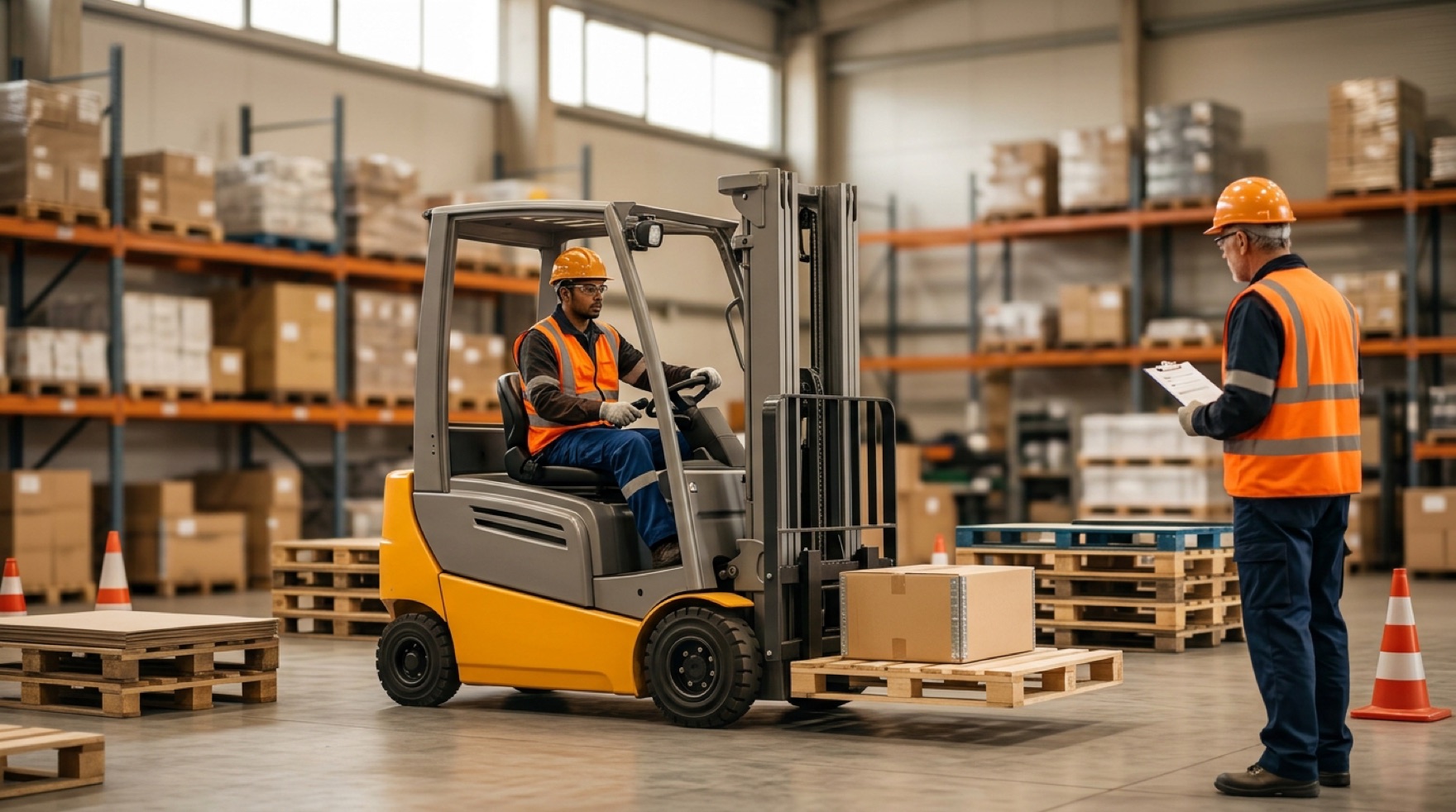
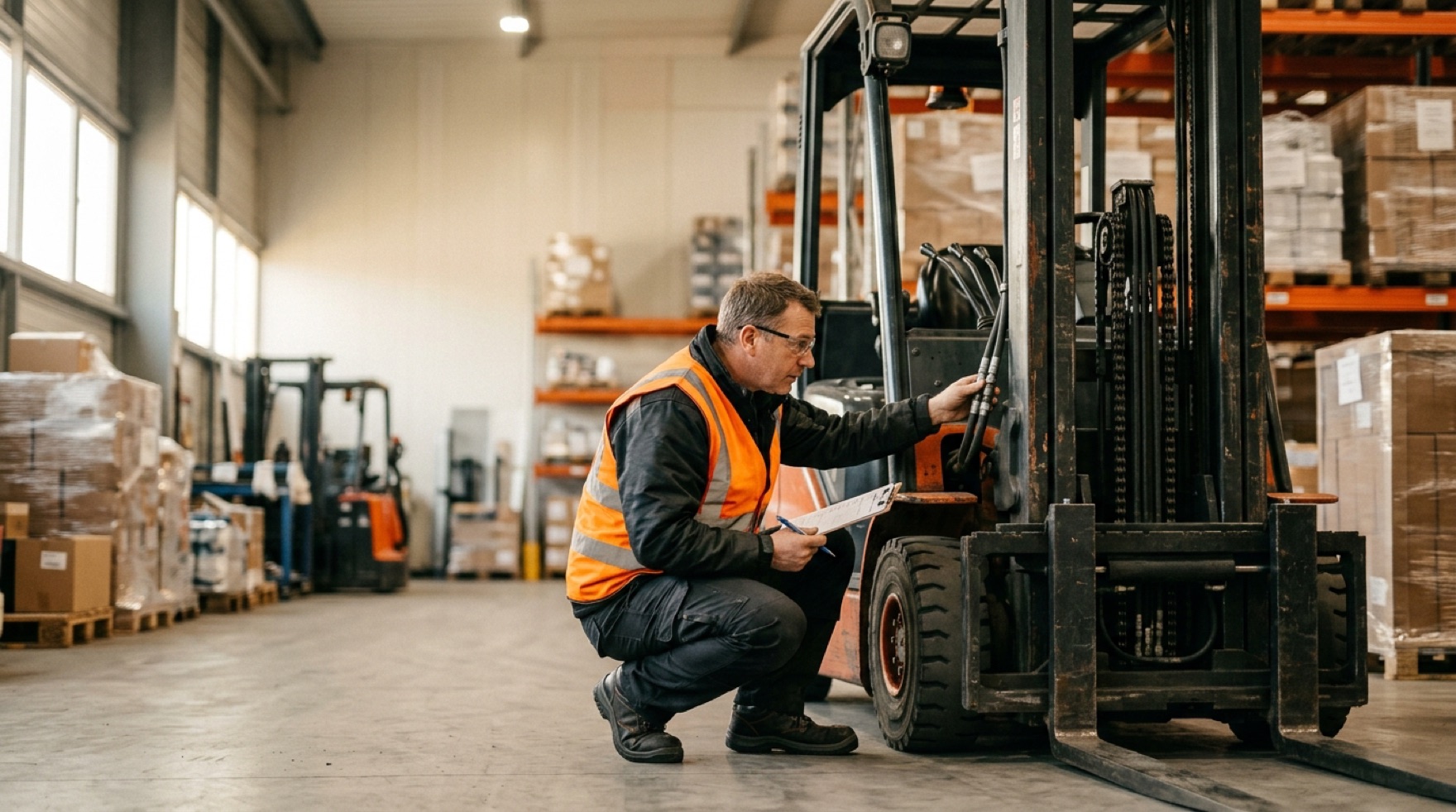
Good, maintained equipment says the company spends money on the people who use it. PPE that fits and is actually stocked says the same. A supervisor who stops a job when something looks wrong, and is backed up for it rather than second-guessed, tells a new hire more than any handbook.
The strongest signal is what happens after someone raises a concern. When a worker points out a hazard and watches it get fixed, and hears about it, they tell people. When the concern disappears into a folder, they tell people that too. You are building a reputation either way. The only choice is which one.
Start with what people can see
You do not turn safety into a recruiting advantage with a slogan. You do it by making the everyday experience of working for you something your crew would recommend to a friend, because that is exactly who they are talking to.
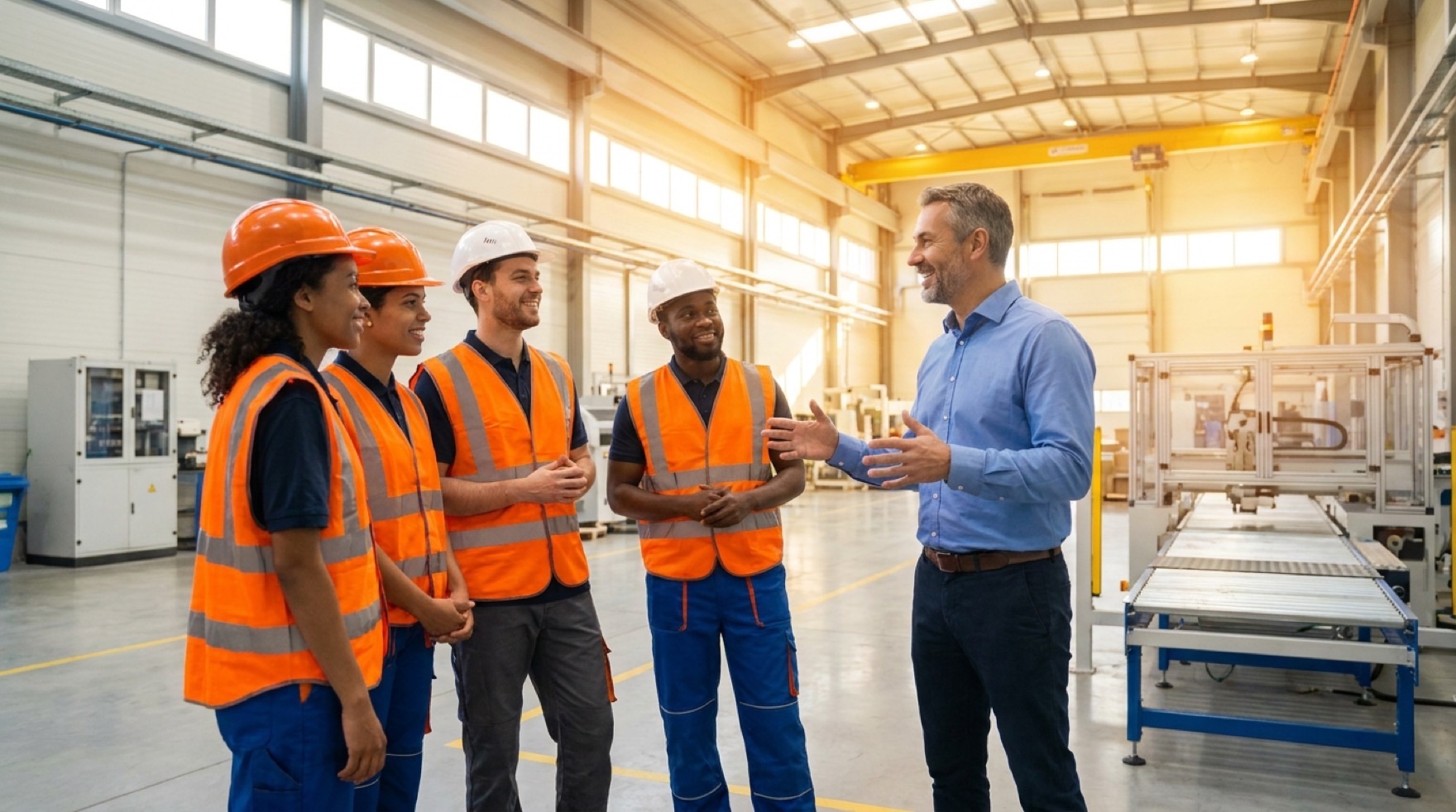
Walk your floor the way a candidate would on a tour. Fix the thing you would not want them to notice. Thank the person who flagged it, out loud. Then let your own workers tell the story, because in a tight market their word carries further than anything you could put on a careers page.
The companies that keep their people are, more and more, the ones known for keeping them safe. That reputation is slow to build and quick to spend. It is also, right now, one of the better hiring tools you have.