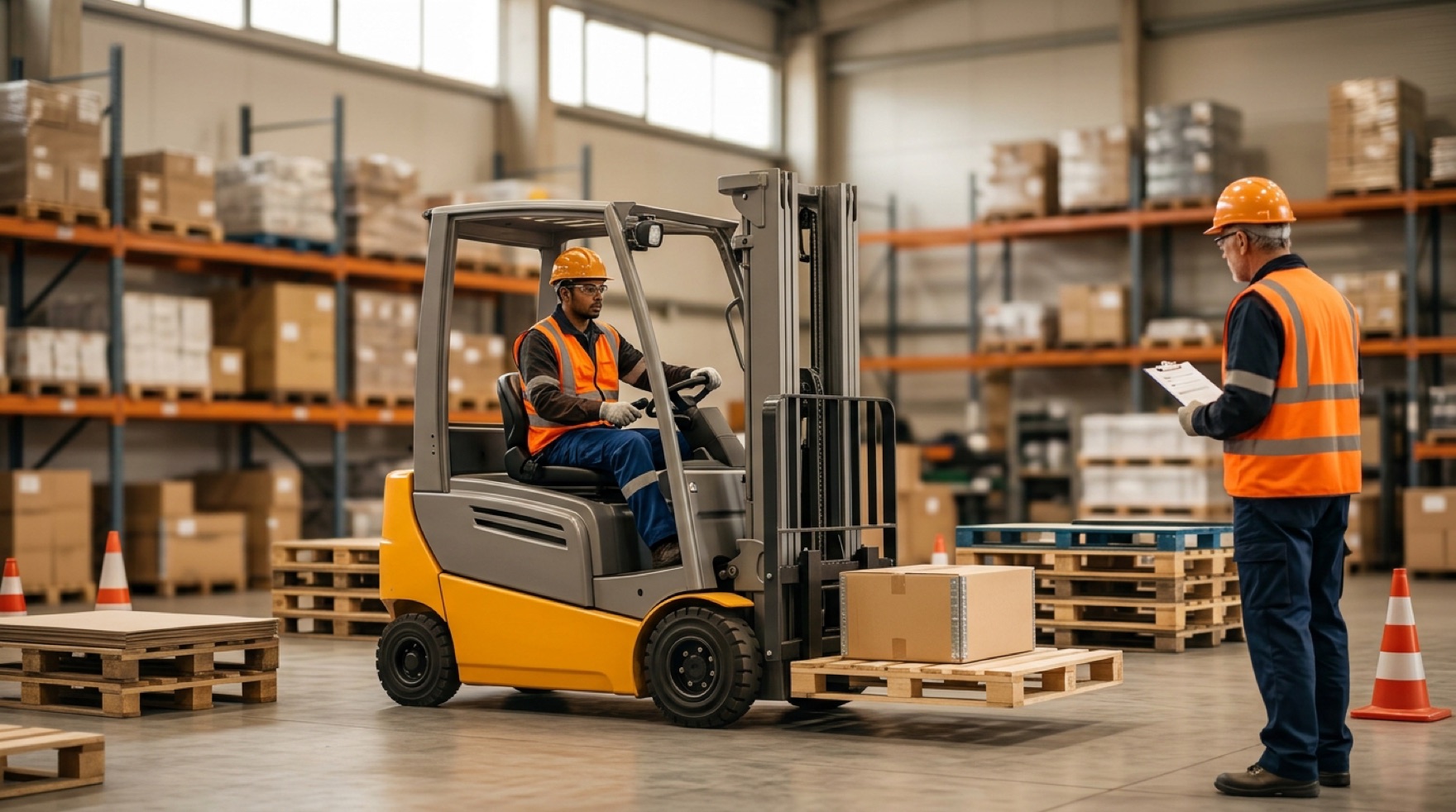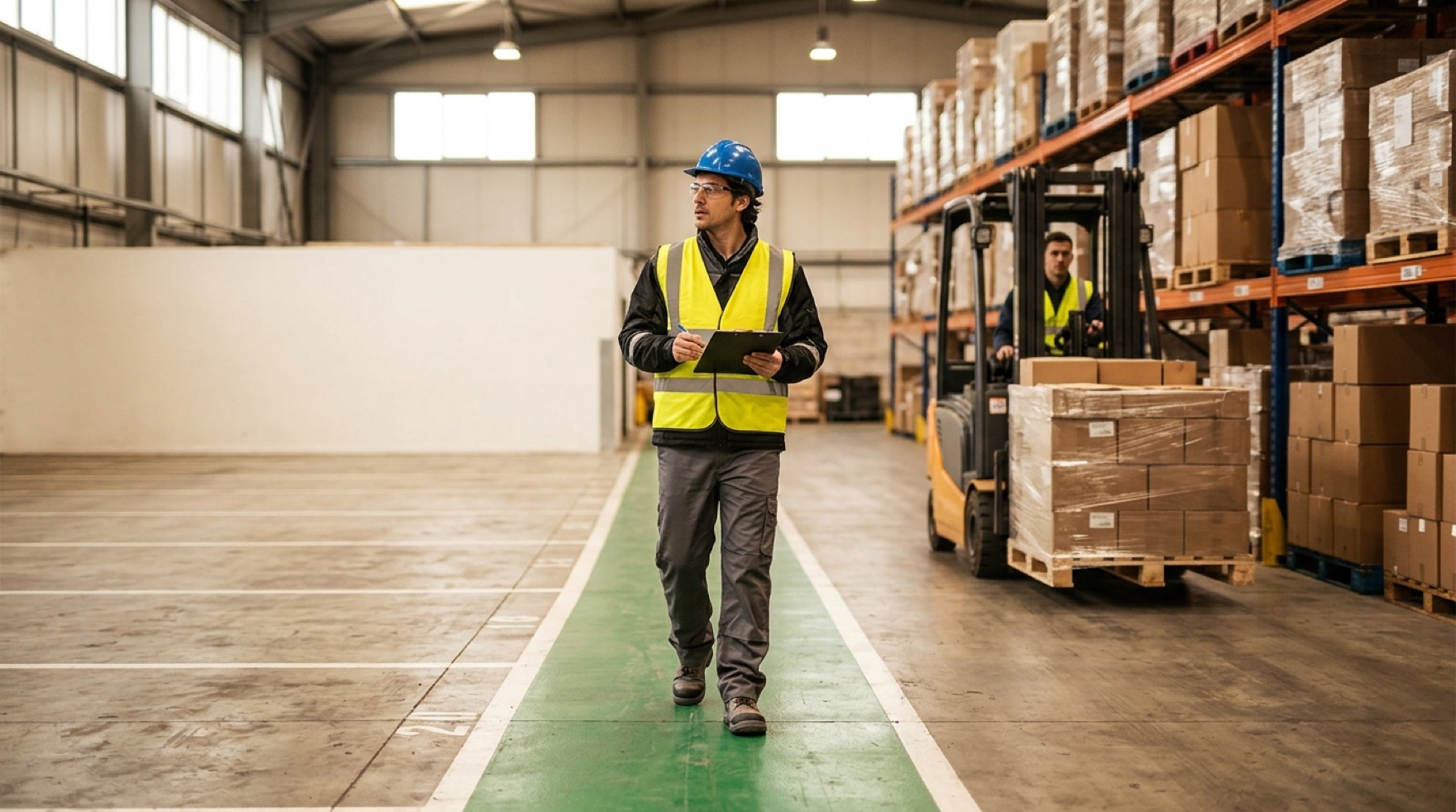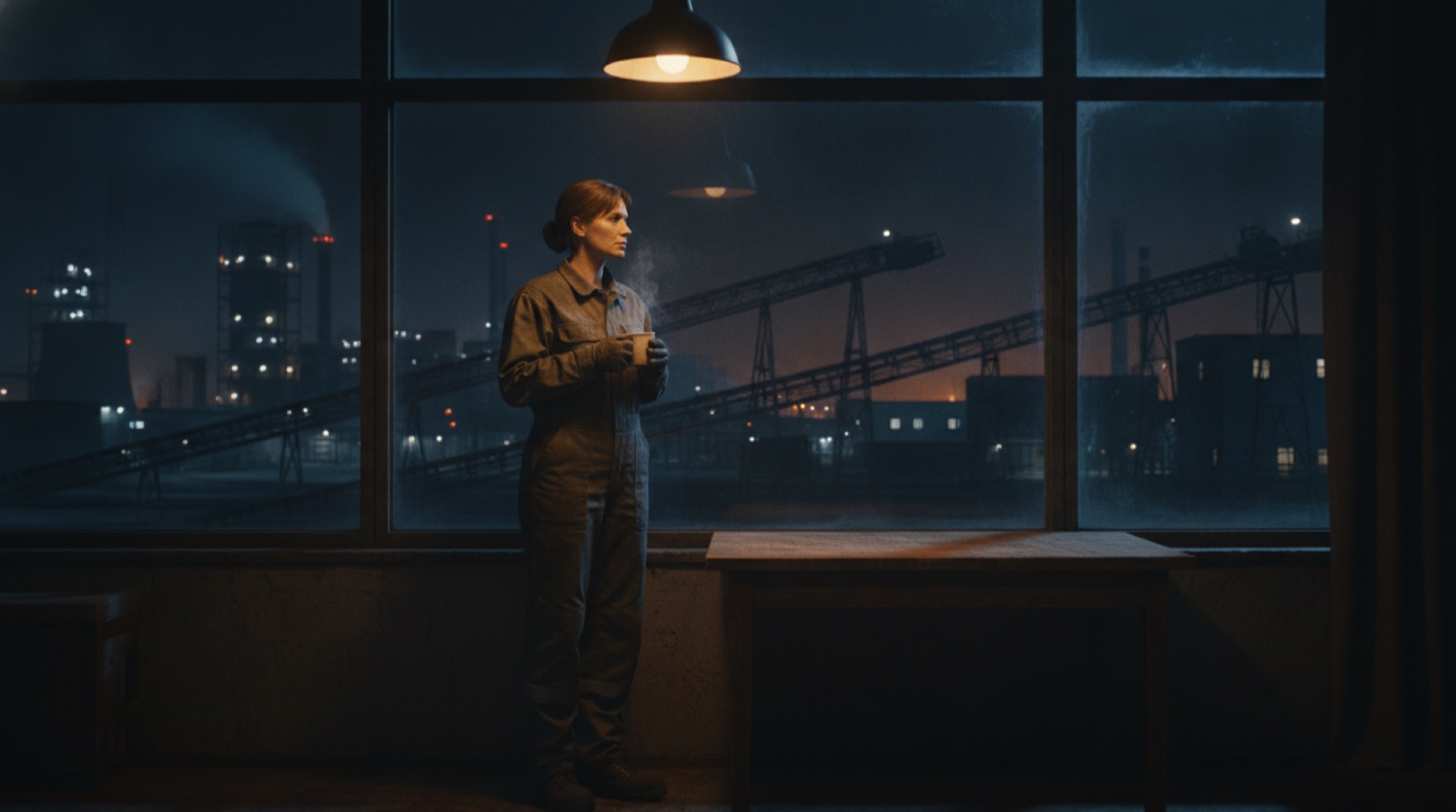
The short version: Fatigue is a genuine workplace hazard, on the same list as noise or a slippery floor, not a personal failing to push through. Enough hours awake dulls reaction time, judgment, and attention to a degree that lines up with alcohol impairment. It comes from the schedule far more than from the person, and the fixes are things a workplace controls: how shifts are built, whether breaks are real, room to rest, sane workloads, and a culture where a tired worker can say so without it counting against them.
We still talk about being tired at work like it is a test of character. The worker who slows down at hour eleven gets a raised eyebrow. The one who admits they are running on four hours of sleep gets told to have another coffee and tough it out.
That framing is not just unkind. It is wrong about what fatigue is. Tiredness on a long or overnight shift is a physical state that changes how a brain performs, and no amount of willpower fully overrides it.
What fatigue actually does
Sleepiness is the obvious part. The part that gets people hurt is quieter: reaction time stretches out, judgment gets loose, and attention wanders right when it needs to hold. NIOSH describes it plainly, listing reduced alertness, impaired decision making, and thinning concentration and memory among the effects.
The clearest way to picture the size of it is the alcohol comparison, which is not a figure of speech. NIOSH's training for nurses on shift work puts it in numbers: being awake for 17 hours affects performance about like a blood alcohol concentration of 0.05 percent, and being awake for 24 hours lands near 0.10 percent, which is past the 0.08 drunk-driving line in the US.
Read that again with a real workday in mind. A person who woke at 6 a.m., worked a full shift, and got mandatory-held into the evening can cross into 17 hours awake without touching a drink. Nobody would hand that worker a beer and send them back to the machine. Fatigue does something comparable, and it does it invisibly.
Where it comes from
The important thing about fatigue is that it is mostly built by the schedule, not chosen by the worker. A handful of ordinary arrangements produce most of it.
Long shifts stack the deck. The back half of a twelve-hour day carries more risk than the front, and the numbers show it: injury rates run about 18 percent higher on evening shifts and 30 percent higher on night shifts than on day shifts, and working twelve-hour days is tied to roughly a 37 percent higher injury risk, per data compiled by OSHA.
Night work fights the body clock, which is wired to want sleep at 3 a.m. no matter what the roster says. Rotating schedules are harder still, because the body never settles into one pattern. Add overtime and a long commute, and the hours awake pile up fast. The worker did not do anything wrong. The math of the calendar did.
How to recognize it
Fatigue announces itself before it causes an incident, if people know the signs. Some show up in the individual and some in the work.
| In the person | In the work |
|---|---|
| Heavy eyes, yawning, head nodding | Missing steps in a familiar task |
| Irritability, flat mood, going quiet | Slower reactions to alarms or moving equipment |
| Trouble concentrating or holding a thought | Rereading the same instruction, checking twice |
| Microsleeps: brief blank moments | Near misses clustering late in the shift |
The one to take most seriously is the microsleep. A brief lapse of a few seconds is enough to drift out of a lane on the drive home or miss a hazard on the floor. People rarely notice their own, which is exactly why a workplace cannot leave detection entirely to the tired individual.
What a workplace can actually do
Because fatigue is built by conditions, it responds to changes in conditions. This is where a site has real control.
Start with schedule design, since it is the biggest lever. Forward-rotating shifts, where the clock moves day to evening to night, sit easier with the body than backward ones. Predictable rosters let people plan their sleep. Limits on consecutive long shifts and on back-to-back overtime keep the hours-awake total from creeping into that 17-hour zone. Enough time off between shifts to actually sleep matters as much as the shift itself.
Make breaks real. A break spent covering someone else's station is not rest. A genuine pause, away from the task, in a spot that is quiet and out of the noise, lets attention reset before it fails.
Where the work and the setting allow it, treat rest as an operational tool rather than a guilty secret. Short naps on night shift are used deliberately in healthcare, transport, and emergency services because a brief sleep restores alertness. That takes a place to do it and a schedule that permits it, both of which are the employer's to provide.
Look hard at workload and staffing too. Fatigue gets dangerous fastest when a short-handed crew is asked to keep the pace of a full one. Realistic pacing and enough people are fatigue controls, even though they never appear on a hazard sign.
The part that ties it together
None of the above works if the culture punishes honesty. If saying "I am too tired to run this safely" gets a worker written up or labeled unreliable, they will stop saying it, and the site loses its best early warning.
A no-blame stance flips that. When a tired worker can flag it and get a swap, a longer break, or a lighter task without a penalty, fatigue surfaces while it is still just fatigue, before it becomes an incident report. That is not going soft. It is treating a real hazard like the hazard it is.
The tired worker is not the problem to be managed. The tiredness is, and it was mostly built by decisions a workplace can make differently.